What Are Dental Implants?
Imagine smiling confidently with teeth that feel just like your own. Dental implants can make this happen by replacing your missing teeth with strong, natural-looking alternatives. They blend perfectly with your other teeth and offer a solid, lasting foundation.
Whether you’ve lost teeth from injury, decay, or aging, dental implants provide a reliable way to restore your smile. They improve both how you look and how you feel. Curious about how dental implant surgery works? Discover what dental implants offer and the benefits they bring to your life.
How Do Dental Implants Work?
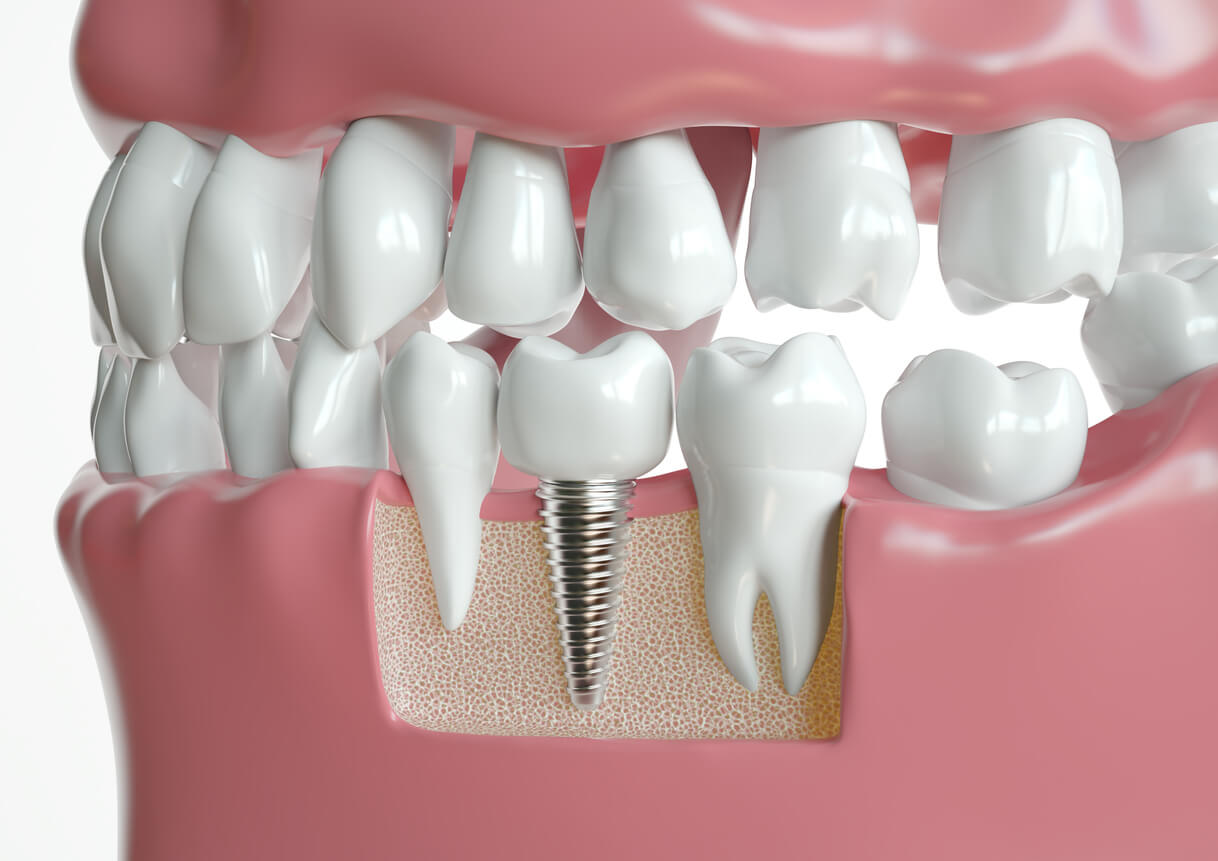
Implants replace missing teeth by using a metal post that works as a tooth root. During implant surgery, an oral surgeon carefully places this post into your jawbone. Over time, a process known as osseointegration takes place, where the dental implant gradually bonds with the bone, forming a robust and enduring foundation.
Once the implant is securely integrated, it supports an artificial tooth, bridge, or denture. This enables you to chew your favorite foods, speak clearly, and smile confidently. Dental implant therapy not only restores the look and function of your smile but also provides the comfort and reliability of stable, natural-looking teeth.
What Do Dental Implants Look Like?
Implants are crafted to resemble the appearance and function of natural teeth. They consist of three main components: a metal post, a dental abutment, and a crown. The metal or titanium post is inserted into the jawbone, with the abutment connecting it to the crown.
The crown is made to resemble the shape and color of your surrounding natural teeth, resulting in a seamless and natural look. This makes dental implants an ideal choice for those seeking a tooth replacement that both looks and feels authentic.
Types of Dental Implants
Dental implants differ in terms of placement and the quantity required. Understanding these options can guide you in picking the most suitable solution for your needs.
Based on Placement
- Endosteal Implants: The most common type of dental implants is those inserted directly into healthy bone. They are ideal for patients who have adequate bone density.
- Subperiosteal Implants: These implants are positioned beneath the gum but rest on or above the jawbone, making them ideal for patients with reduced bone height. A metal frame supports the implant post.
Based on the Number of Implants Needed
- Single Tooth Implants: Ideal for replacing single missing teeth, these implants offer a natural appearance and sensation.
- Multiple Tooth Implants: Used for replacing several teeth in a row, they can support bridges or partial dentures effectively.
- Full Mouth Implants: Designed to replace a full arch of teeth, these implants provide a stable and complete solution for significant tooth loss.
The Dental Implant Procedure
Getting dental implants consists of a comprehensive process designed to bring back the functionality and beauty of your smile. Let’s explore each step in detail:
Step 1: Initial Consultation and Treatment Plan
The implant process starts with an in-depth consultation where your dentist assesses your dental health and discusses your goals. They’ll examine your medical history and any current conditions, allowing them to develop a customized treatment plan.
Step 2: Evaluation and Preparation
To assess the condition of your jawbone, a comprehensive evaluation is conducted. In some cases, if the bone is insufficient, a bone graft might be necessary. This graft strengthens the jawbone, providing a solid foundation for the dental implant.
Step 3: Implant Placement
During this surgical procedure, the dental implant is placed into your jawbone. The oral surgeon skillfully inserts a metal post, which acts as a stable tooth root. This step involves minor surgery, usually done under local anesthesia, and aims to integrate the implant securely.
Step 4: Healing and Temporary Abutment
As your gums heal, the process of osseointegration occurs, where the implant fuses with your natural bone. This period may take several months. A temporary abutment is placed to support the new tooth and guide the healing process.
Step 5: Final Restoration
After healing, the final step involves attaching a crown or dentures to the implant. This crown is custom-made to match the color and shape of your natural teeth. The result is a fully restored smile that offers both function and aesthetics, allowing you to eat, speak, and smile with renewed confidence.
The Benefits of Dental Implants
Dental implants provide numerous advantages, extending beyond mere tooth replacement. Explore the benefits they offer:
- Enhanced Appearance: Dental implants enhance your smile by looking just like natural teeth. They restore the appearance of your smile, positively impacting your self-esteem and confidence.
- Improved Eating Experience: Dental implants provide the stability needed to enjoy your favorite foods without discomfort. This makes chewing easy, ensuring meal times are pleasant and enjoyable.
- Long-Lasting Durability: Implants are incredibly durable, designed to last many years with proper care. Unlike other options, they don’t require frequent replacements, offering a more long-lasting solution.
- No Need for Adhesives: Unlike removable dentures, implants stay securely in place without an adhesive. This convenience adds to their appeal, as you don’t have to worry about them shifting.
- Support Facial Structure: By preventing bone loss, dental implants support and maintain facial structure, which helps preserve your natural contours and avoid the sunken look caused by missing teeth.
- Prevents Teeth Shifting: By filling gaps left by missing teeth, dental implants prevent adjacent teeth from shifting. This stability makes sure your alignment remains intact and promotes overall oral health.
Are Dental Implants Right for You?
Evaluating whether dental implants are suitable for you involves assessing several key elements. Consider the following:
Ideal Candidates
Evaluating your suitability for dental implants involves considering several key criteria. Here are the important aspects to consider:
- Good Overall Health: Candidates should be in stable health to support the implant process and recovery. Conditions such as heart disease or uncontrolled diabetes need careful management. Your provider will consider your medical history to ensure safe treatment.
- Sufficient Bone Density: Adequate jawbone is vital for anchoring implants. If bone loss has resulted due to missing teeth or other reasons, a bone graft may be needed to strengthen the area.
- Healthy Gum Tissue: It’s essential to have gums free of disease. Healthy gum tissue supports the implant and helps prevent infections.
- Non-Smokers or Willing to Quit: Smoking can elevate the risk of complications and impede healing. Candidates who do not smoke or are willing to quit are better suited for implants.
- Commitment to Oral Hygiene: A dedication to maintaining good oral hygiene is essential. Regular brushing, flossing, and dental visits help keep your implants lasting longer.
Professional Consultation
To determine if dental implants are right for you, a professional consultation is essential. Here’s what to expect:
- Discuss with Your Dentist: Book a consultation with a reliable dentist to evaluate your suitability for implants. They will do a thorough dental examination and review your medical history.
- Tailored Treatment Plan: Your dentist will craft a personalized treatment plan considering factors like existing dental health and specific needs, whether it be a single tooth or multiple replacements.
Financial Considerations
When considering dental implants, financial aspects play an important role. Take a look at these key considerations:
- Cost and Coverage: Understand the cost involved in the dental implant process. Check with your insurance provider to see what coverage is available for implants and related procedures.
- Follow-up Work: Be ready for potential additional treatments, such as bone grafts to improve bone density or regular maintenance visits to ensure long-term success.
Caring for Your Dental Implants
Taking care of your implants is key to keeping them strong and functional. Here’s how you can maintain them effectively:
Daily Oral Hygiene
Utilize a soft brush and a non-abrasive toothpaste to brush your implants twice daily, just as you would with natural teeth. This routine effectively removes plaque and debris, keeping the implant area clean and healthy. Additionally, floss daily to eliminate food debris and plaque from between your teeth and around the implant.
Regular Dental Check-ups
Schedule consistent visits with your dental provider to check on your implants’ condition. During these visits, the trusted dentist will assess your oral health, perform professional cleanings, and keep an eye on any potential issues. Early detection of concerns like gum inflammation or implant movement allows for timely intervention.
Monitoring and Maintenance
Pay attention to any changes or discomfort around the implant area. Signs like redness, swelling, or bleeding gums could indicate an issue that needs attention. Your dentist might also adjust dental appliances to improve comfort and fit, enhancing your overall experience with the implants.
Healthy Lifestyle Choices
Refrain from utilizing your teeth as tools, as this can harm implants or nearby teeth. Quitting smoking benefits your oral health, aiding healing and implant success. Additionally, a nutritious diet rich in vitamins supports healthy gums and enhances implant stability.
Frequently Asked Questions (FAQ)
Dental implants are widely chosen for their benefits, but questions often arise. Here are answers to some common ones:
Do Dental Implants Hurt?
While the idea of surgery may sound daunting, implant surgery typically involves only minor discomfort. Local anesthesia is used to minimize pain during the dental implant procedure, and most patients find recovery manageable.
How Long Do Implants Last?
Implants are greatly durable and can last for many years with proper care. Maintaining consistent oral hygiene, such as regular flossing and brushing, along with routine dental check-ups, is essential for their longevity.
Are Implants Expensive?
Dental implant costs can vary depending on several factors, but many find them a worthwhile investment. To assist with affordability, various financing options are available, making implants accessible to more people.
Experience a Life-Changing Smile Upgrade: Book Your Appointment Today!
Imagine feeling confident and happy every time you smile. At Elice Dental Care, we’re here to make that a reality with our dental implant services. Our team will guide you through the whole process, making it easy and stress-free.
You’ll discover how implants can enhance the appearance and function of your smile. Enjoy the comfort and aesthetics that come with choosing dental implants. Reach out to us today at Elice Dental Care to book your appointment and start your journey to a brighter smile.