Pros and Cons of Dental Veneers
If you’ve been thinking about changing the look of your smile, veneers have probably come up more than once. They’re one of the most talked-about options in cosmetic dentistry because they can dramatically improve the appearance of teeth that are stained, chipped, uneven, worn down, or slightly misshapen. But before you commit, it’s worth taking an honest look at the pros and cons of veneers.
At Elice Dental Care in Hazlet, NJ, we talk with patients every day who want a brighter, more balanced smile but also want to know what they’re really signing up for. Veneers can be life-changing for the right person. They can also be the wrong choice if your goals, budget, or dental health point in another direction. A cosmetic procedure should never feel like a blind purchase. It should feel informed, personal, and built around your long-term oral health.
What Are Dental Veneers?
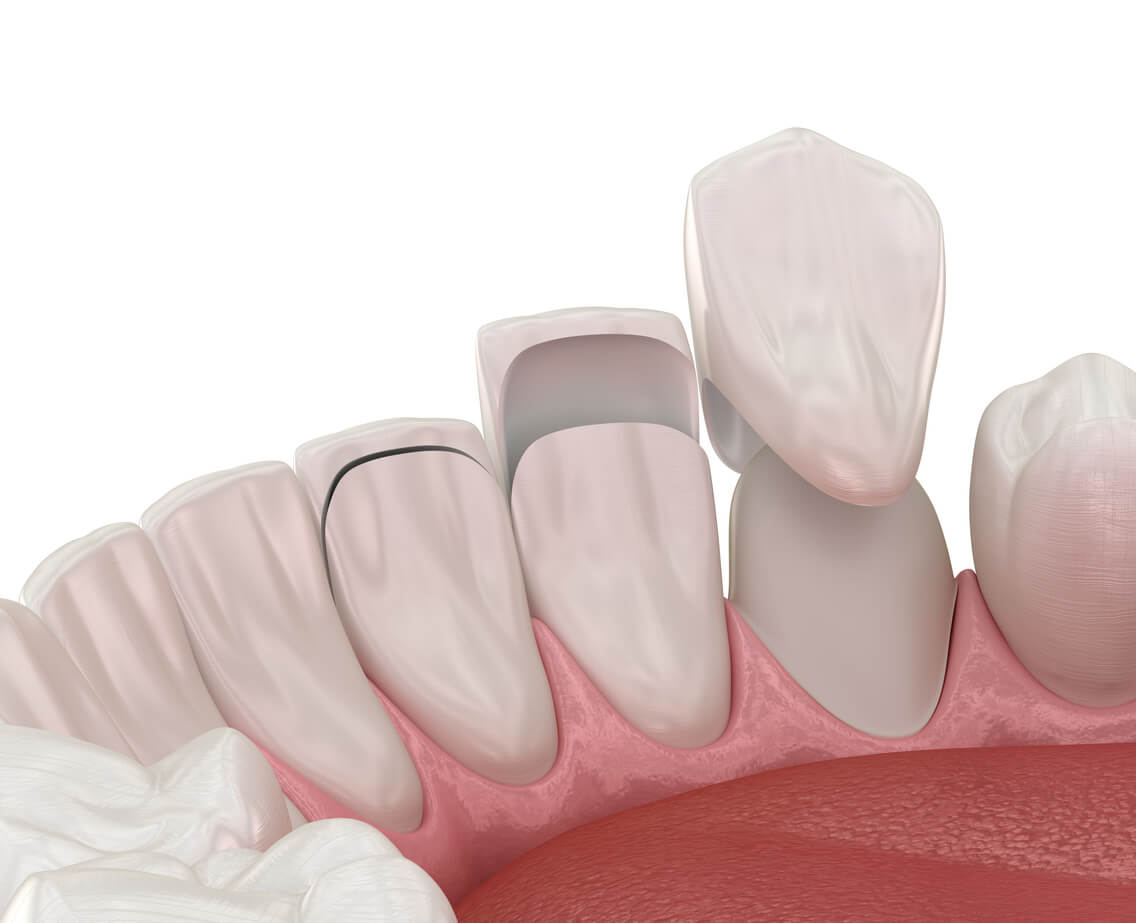
Dental veneers are thin coverings placed over the front surface of teeth to improve how they look. Think of them like custom made shells designed to fit over visible teeth with precision, not unlike a tailored jacket that hides the wrinkles underneath and gives everything a cleaner line. Veneers are commonly used on the front teeth because those are the teeth most visible when you talk, laugh, and smile.
Porcelain veneers are the most well-known option, but composite veneers are also available. Both can address cosmetic concerns like discoloration, small gaps, worn edges, minor alignment issues, and misshapen teeth. Veneers cover imperfections rather than moving teeth or rebuilding the entire tooth structure, which is why they’re considered a cosmetic dental procedure rather than an orthodontic or restorative treatment in most cases.
Why Veneers Are So Popular in Cosmetic Dentistry
There’s a reason dental veneers continue to be one of the most requested cosmetic dentistry treatments. They can create a dramatic result without requiring multiple years of treatment. If someone wants to improve your smile quickly and predictably, veneers work well in many cases.
Patients often come in wanting a whiter smile, straighter-looking teeth, or a more even shape across their smile line. Veneers may solve many cosmetic dental issues at once. Instead of whitening one stain, bonding one chip, and contouring one uneven edge, a cosmetic dentist can use custom veneers to create a more complete transformation. That efficiency is part of their appeal.
A Cosmetic Dentist Explains the Main Types of Veneers
When discussing the pros and cons of veneers, it helps to understand that not all veneers are the same. The material, the amount of preparation needed, and the final goals all affect the outcome. A cosmetic dentist explains these differences carefully because the right choice for one patient may be wrong for another.
The two most common categories are porcelain veneers and composite veneers. There are also no prep veneers, minimal prep veneers, temporary veneers, removable veneers, and snap on veneers that get mentioned online. Some of these are legitimate options in select situations, while others are heavily marketed shortcuts that don’t always deliver the kind of natural-looking, lasting results patients expect.
Porcelain Veneers
Porcelain veneers are thin, durable restorations made in a dental lab and bonded to the front surface of the teeth. They are popular because they look natural, reflect light in a way that resembles natural enamel, and are highly stain resistant. For patients who want a brighter smile that still looks believable, porcelain veneers are often the gold standard.
Another advantage is longevity. With proper care, porcelain veneers can last for many years. They are custom veneers, which means shape, shade, and proportions are designed specifically for your face and smile. That level of customization matters more than people think. A veneer that is too opaque, too square, or too white can stand out in the wrong way.
Composite Veneers
Composite veneers are made from composite resin, the same material often used in tooth-colored fillings and bonding. These veneers may be completed more quickly than porcelain veneers, sometimes in fewer visits, and they usually cost less upfront. For some patients, that makes them an appealing cosmetic procedure.
That said, composite veneers generally do not last as long as porcelain veneers and may be more likely to chip or stain over time. They can still be a strong option for certain cosmetic issues, especially when a patient wants a conservative treatment plan or a more affordable entry point into cosmetic dental care.
No Prep Veneers, Minimal Prep Veneers, and Minimal Prep Options
No prep veneers and minimal prep veneers are often advertised as easier, less aggressive alternatives to traditional veneer placement. In some cases, that’s true. These options may involve less enamel removal, which can help preserve more natural teeth.
But the phrase minimally invasive should not be confused with universally better. No prep veneers are the right option only when the patient’s tooth shape, bite, spacing, and cosmetic goals line up. If a tooth already sticks out, adding material to the front surface without enough room can create a bulky result. Minimal prep veneers and other minimal prep approaches can be excellent, but they still require careful planning.
The Big Pros and Cons of Veneers
The biggest reason people search for the pros and cons of veneers is simple: they want the truth, not just the glossy brochure version. Veneers can absolutely enhance your smile, but they also come with tradeoffs. Good cosmetic dentistry should be honest about both.
The pros and cons are not the same for every patient. Someone with healthy teeth, good oral health, and realistic expectations may love their result for years. Someone with grinding habits, untreated decay, or a desire for a reversible option may be disappointed. That’s why a personalized consultation matters more than any list on the internet.
Pros of Veneers: They Can Transform a Smile Quickly
One of the clearest advantages is speed. Veneers can improve your smile much faster than many other dental procedures. If you are dealing with cosmetic imperfections across several teeth, veneers may create a dramatic improvement in a relatively short timeline.
For patients who have spent years hiding their teeth in photos or smiling with their lips closed, this matters. A new smile can affect confidence in surprisingly practical ways: job interviews, weddings, first dates, family pictures, even the way you carry yourself in conversation. Veneers are not magic, but they can feel like a reset button for people who have been self-conscious for a long time.
Pros of Veneers: They Look Natural When Done Well
High-quality porcelain veneers can mimic the look of natural teeth remarkably well. They reflect light more like tooth structure than many people expect, and custom veneers can be shaped to suit your face rather than giving you a one-size-fits-all “Hollywood” look.
This is where the skill of the cosmetic dentist matters. Veneers should not look like chiclets lined up in a row. They should look like healthy, polished, believable teeth. When veneer placement is done thoughtfully, the result can be subtle enough that people notice your smile looks better without immediately knowing why.
Pros of Veneers: They Resist Stains Better Than Natural Enamel
Porcelain veneers are especially useful for patients who want a whiter smile that holds up over time. Because porcelain is stain resistant, it often resists discoloration better than natural enamel. Coffee, tea, red wine, and other common culprits are less likely to dull the appearance of porcelain veneers compared with untreated teeth.
That doesn’t mean they are indestructible or maintenance-free. Proper care still matters, and surrounding natural teeth can still stain. But for patients frustrated by repeated teeth whitening treatments that never quite deliver the shade they want, veneers offer a more stable path to pearly whites.
Pros of Veneers: They Can Hide Multiple Cosmetic Problems at Once
Veneers cover a wide range of cosmetic concerns in one treatment. They can hide imperfections such as chips, cracks, worn edges, uneven spacing, stubborn discoloration, and misshapen teeth. They can also make slightly crooked teeth appear straighter without braces in some cases.
This is why dental veneers offer so much value in cosmetic dentistry. Instead of chasing one issue at a time, veneers may address many cosmetic dental issues in one coordinated plan. For the right patient, that can be more efficient and more aesthetically consistent than patching together several other procedures.
Cons of Veneers: They Usually Require Enamel Removal
Now for the less glamorous part. One of the most important cons of veneers is that traditional veneer placement often requires enamel removal. The dentist removes a thin amount of tooth enamel so the veneer can sit naturally and not appear bulky.
This matters because tooth enamel does not grow back. Once enamel removal happens, the tooth will usually need some kind of ongoing coverage moving forward. Even with minimal prep veneers or no prep veneers, some level of preparation may still be necessary depending on the case. This is one of the biggest pros and cons patients should understand before choosing permanent veneers.
Cons of Veneers: They Are Not Always Reversible
Because of that enamel reduction, many veneers are considered permanent veneers in practical terms. While they may eventually need replacement, the teeth underneath have already been altered. That means this cosmetic procedure is not something most patients can simply undo later and walk away from.
If reversibility is a major concern, removable veneers or snap on veneers may seem tempting. But removable veneers are not the same as professionally bonded porcelain veneers. Snap on veneers can be useful for short-term appearance goals in limited situations, but they typically do not provide the comfort, function, or realism of fixed options.
Cons of Veneers: They Can Chip, Crack, or Need Replacement
Veneers are strong, but they are not invincible. Veneers may chip or crack if you bite hard objects, clench your teeth, grind at night, or use your teeth like tools. Opening packages with your incisors is a great way to shorten the life of beautiful dental work.
Even well-made porcelain veneers will not last forever. A single veneer may need repair or replacement, and over time a patient may need a new veneer or a full refresh. This is normal, but it is part of the long-term cost and planning that should be discussed upfront.
Cons of Veneers: Tooth Sensitivity Can Happen
Some patients experience tooth sensitivity after veneer placement, especially in the early period after treatment. This may show up when eating ice cream, drinking coffee, or breathing in cold air. Sensitive teeth can react to hot or cold temperatures, and sometimes cold temperatures feel especially sharp at first.
This sensitivity is often temporary, but not always. If a patient already has sensitive teeth, thin enamel, or gum recession, they may be more likely to notice discomfort. A careful dentist will evaluate these risks before recommending veneers as the right cosmetic dental procedure.
Are Veneers Better Than Teeth Whitening or Bonding?
Not always. Teeth whitening is often the simplest option for patients whose main concern is color. If your teeth are healthy and well-shaped, whitening may be enough to achieve a brighter smile without altering the tooth structure.
Bonding can also be a smart alternative for small chips or minor cosmetic issues. Compared with veneers, bonding is often less expensive and may involve little to no enamel removal. On the other hand, veneers tend to offer more dramatic and longer-lasting aesthetic changes. This is why comparing veneers with other procedures is a key part of cosmetic dentistry treatments.
Who Is a Good Candidate for Dental Veneers?
A good candidate usually has healthy gums, stable dental health, and enough natural tooth structure to support the restoration. Veneers are often ideal for people with cosmetic concerns rather than major structural damage. If your goal is to improve your smile by changing color, shape, or symmetry, veneers may be a strong fit.
Patients also need realistic expectations. Veneers can enhance your smile, but they do not replace healthy habits or solve every oral health issue. If there is active decay, gum disease, or significant bite instability, those problems should be treated first. The American Dental Association consistently emphasizes that oral health comes before elective cosmetic dental work.
When Veneers May Not Be the Right Choice
Veneers may not be ideal if you grind your teeth heavily, have untreated cavities, or have extensive damage that requires crowns or other dental procedures instead. They are also not the best answer for every alignment problem. Some patients are better served by orthodontics, crowns, or other dental procedures that restore teeth more fully.
This is another place where the pros and cons of veneers matter. A patient may come in wanting a fast cosmetic procedure, but the better long-term answer could be a different treatment plan. Good dentistry is not about selling the flashiest option. It is about choosing what protects oral health while meeting aesthetic goals.
What to Expect During the Veneer Process
The process usually starts at the dentist’s office with a consultation, exam, and discussion of your goals. Photos, impressions, or digital scans may be taken. Your dentist will review your bite, your dental health, and whether veneers are the right fit or whether other cosmetic dentistry treatments make more sense.
If you move forward with porcelain veneers, the dentist may prepare the teeth by reshaping a small amount of the front surface. Impressions are then sent to a dental lab, where the final restorations are crafted. Temporary veneers may be placed while the dental lab creates the final set. At the final visit, veneer placement is completed using dental cement to bond the veneers securely.
Caring for Veneers the Right Way
Proper care is what helps good cosmetic work stay good. Veneers still require the same basic commitment as natural teeth: brush twice a day, floss daily, and keep up with routine exams. Using a soft-bristled toothbrush and antibacterial mouthwash can help protect both the veneers and the surrounding gums.
Proper care also means avoiding habits that put stress on the veneers. Don’t chew ice, bite pens, or use your teeth to tear packaging. If you grind at night, a nightguard may be recommended. Veneers may look effortless, but like a white shirt or a luxury car, they stay sharp because someone maintains them.
Local Considerations for Patients in Hazlet, NJ
For patients in Hazlet and nearby communities, choosing veneers is about more than aesthetics. It is about finding a cosmetic dentist who understands how to blend artistry, function, and long-term oral health. A beautiful smile should feel comfortable, fit your bite, and suit your face, not just look good in a before-and-after photo.
At Elice Dental Care, patients often want results that look polished but still natural. That means listening carefully, building a thoughtful treatment plan, and discussing the real pros and cons instead of rushing into treatment. Cosmetic dental decisions should feel grounded, not gimmicky.
Final Thoughts on the Pros and Cons of Veneers
The pros and cons of veneers come down to this: they can be an excellent way to improve your smile, but they are not casual dentistry. Dental veneers can create a whiter smile, hide imperfections, and solve multiple cosmetic issues with one plan. Porcelain veneers in particular offer durability, lifelike beauty, and stain resistance that make them one of the most effective tools in cosmetic dentistry.
Still, the cons of veneers are real. Enamel removal, cost, maintenance, possible tooth sensitivity, and the need for future replacement all deserve serious consideration. The best results happen when veneers are chosen for the right reasons, on healthy teeth, with a skilled dentist guiding the process.
If you are considering dental veneers in Hazlet, NJ, the next step is not guessing. It is getting a professional evaluation. A personalized consultation can help determine whether veneers are the right cosmetic procedure for your smile, or whether another option would better protect your natural teeth and long-term oral health.