
According to the CDC, as people age, they tend to lose more teeth. Adults aged 20–34 have less than one missing tooth on average, while those aged 50–64 have about four missing teeth. Seniors over 65 typically have about six missing teeth, and this number rises to around seven for those over 75.
Missing teeth can impact how you chew, speak, and smile. Dental bridges offer a way to fill these gaps with natural-looking replacements. But what is a bridge for your teeth, and how do they work? This guide explains everything you need to know about how dental bridges can enhance your smile and health.
What Is a Bridge for Teeth and How Does It Work?
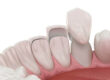
A dental bridge closes the space or gap from missing teeth by anchoring a pontic, an artificial tooth, to the adjacent teeth. These supporting teeth, known as abutment teeth, are covered with crowns or sometimes secured with dental implants. This setup allows the artificial tooth to look and function like a natural tooth, helping you chew and speak more easily.
Your dentist will carefully fit the bridge to make sure everything aligns well. With regular dental check-ups and proper care, a dental bridge can last many years, keeping your mouth structure stable and comfortable.
Types of Dental Bridges
Several types of dental bridges are tailored to meet various needs, depending on the number and location of missing teeth.
- Traditional Bridges: Traditional bridges support a false tooth, or pontic, with crowns on the teeth beside it. This option is ideal when healthy teeth flank both sides of the gap, ensuring strong support.
- Cantilever Bridges: Cantilever bridges are anchored on just one side and are suitable for areas like front teeth, where only one neighboring tooth can provide support.
- Maryland Bridges: Maryland bridges use a metal or porcelain framework with “wings” bonded to the back of the supporting teeth, preserving their natural structure. They work well for front teeth but might lack the strength for back teeth.
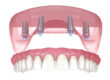
- Implant-Supported Bridges: Implant-supported bridges use dental implants for stability. They are perfect for larger gaps or multiple missing teeth, offering durability without affecting neighboring teeth.
Who Needs a Dental Bridge?
A dental bridge is ideal for those facing the following challenges:
- Missing Teeth: Perfect for anyone with teeth lost due to decay, gum disease, or injury. It restores both the function and appearance of your smile.
- Worried About Teeth Shifting: A dental bridge prevents remaining teeth from moving into the gap, avoiding alignment issues. This helps maintain a balanced and stable bite.
- Needing Better Oral Function: Filling in gaps with a bridge makes chewing and speaking easier. It enhances comfort in everyday activities like eating and talking.
- Experiencing Jaw Discomfort: A bridge addresses alignment problems that contribute to jaw pain or discomfort. It supports a healthier jaw structure.
- Wanting a Complete Smile: Dental bridges offer a natural-looking solution that blends smoothly with your existing teeth, boosting confidence by creating a fuller, more complete smile.
Why Replacing Missing Teeth Matters
Replacing missing teeth is vital for maintaining both oral health and overall well-being. Here’s why it matters:
Prevent Misalignment
When teeth are missing, those around them may shift into the empty space. This movement can lead to misalignment, resulting in bite problems and uneven tooth wear. Over time, this misalignment can also lead to discomfort and problems with chewing and speaking.
Improve Chewing Ability
Missing teeth can hinder proper chewing, impacting your diet and nutrition. Replacing them with a dental bridge restores your ability to chew comfortably and effectively. This makes sure that you can enjoy a diverse diet and properly digest food, which is essential for overall health.
Enhance Appearance and Confidence
Gaps from missing teeth can alter your smile and facial appearance, affecting your self-esteem. Filling these gaps with a dental bridge provides a complete and natural-looking smile. This improvement boosts your confidence, encouraging you to smile and engage more often in social and professional settings.
Support Jaw Structure
A full set of teeth helps support your jaw structure and maintain the natural shape of your face. Missing teeth can weaken the jaw and change its shape over time, resulting in a sunken facial appearance. Replacing teeth helps prevent these changes and supports the facial muscles.
Promote Good Oral Hygiene
Properly aligned teeth are easier to clean. Food and bacteria can get trapped in gaps, increasing the chance of getting tooth decay and periodontal disease. Filling these gaps makes it easier to maintain good oral hygiene, as brushing and flossing become more effective.
The Dental Bridge Procedure
The dental bridge procedure is a meticulous process aimed at providing a precise fit and durable results.
Step 1: Initial Consultation and Examination
During your initial visit, the trusted dentist will evaluate your overall oral health to see if a dental bridge is suitable. This includes a comprehensive examination, with X-rays and potentially a 3D scan, to assess the condition of the abutment teeth, gums, and jawbone.
Step 2: Preparation of Abutment Teeth
The adjacent teeth, known as abutment teeth, are reshaped and contoured to support the bridge. This preparation guarantees they can accommodate the crowns needed for stability.
Step 3: Taking Detailed Dental Impressions
After the preparation, precise impressions of your teeth are taken. These impressions capture the exact dimensions of your dental structure and are sent to a dental laboratory, where skilled technicians create a custom-fitted bridge.
Step 4: Fitting a Temporary Bridge
A temporary dental bridge is used to protect the prepared teeth and preserve the appearance and function of your smile while the final bridge is being crafted. This temporary solution allows you to eat and speak normally, preventing discomfort and further movement of the remaining teeth.
Step 5: Crafting the Final Bridge
In the dental laboratory, artisans use the impressions to craft your final bridge. They typically utilize durable materials such as porcelain, metal, or ceramics, chosen to blend seamlessly with your natural teeth. The creation of the bridge can take a few weeks, as precision is key.
Step 6: Fitting and Adjusting the Final Bridge
When the final bridge is ready, you visit the dentist for a fitting. The dentist carefully places the bridge, checking for a perfect bite and alignment with your other teeth. Adjustments are made as needed to achieve comfort and function.
Step 7: Cementing the Bridge in Place
After confirming the fit, the dentist uses a strong dental cement to secure the bridge permanently. This step includes cleaning and preparing the teeth to create a strong bond, enabling the bridge to handle daily activities like chewing and speaking.
Step 8: Follow-Up Visits and Maintenance
Follow-up appointments are scheduled to monitor the bridge’s performance and your comfort level. During these visits, the dentist will make any further adjustments and ensure that you’re maintaining good oral hygiene practices to protect both the bridge and your natural teeth.
Pros and Cons of Dental Bridges
When considering a dental bridge, it’s important to weigh the advantages and drawbacks.
| Pros | Cons |
| Restore Aesthetics and Chewing Function Dental bridges provide a natural appearance, filling gaps and enhancing the overall look of your smile. This boost in aesthetics also contributes to enhanced self-confidence. | May Affect Surrounding Teeth The preparation for a bridge involves reshaping the adjacent teeth, which may weaken them or make them more sensitive. This can affect their long-term health. |
| Improved Speech Clarity Filling gaps helps improve speech, allowing you to pronounce words more clearly and talk without hesitation. | Potential for Replacement Over Time Over the years, bridges may wear down or become loose due to regular use. They typically need replacement every 5 to 15 years, depending on how well they’re maintained. |
| Less Invasive than Implants Unlike dental implants, bridges don’t require oral surgery. This makes the process quicker and more straightforward, with a shorter recovery time. | Risk of Decay and Gum Disease There’s a risk of decay in the teeth supporting the bridge. Proper oral hygiene is essential to decrease this risk and avoid gum disease, which can affect the bridge’s longevity. |
| Immediate Results The process of getting a dental bridge is relatively quick, allowing you to enjoy the functional and cosmetic benefits without a long wait. | Possible Bone Loss Bridges don’t address bone loss in the jaw beneath the missing tooth, something that dental implants can help prevent. |
| Cost-Effective Solution Bridges are more affordable compared to implants, especially if insurance covers part of the cost. Many dental insurance plans include coverage for bridges, making them accessible to more patients. | Maintenance and Care Requirements Bridges require specific cleaning practices to prevent food from getting trapped underneath. Maintaining regular dental visits and practicing good oral hygiene are key to keeping them in good condition. |
Caring for Your Dental Bridge
Proper care is vital for the functionality and longevity of your dental bridge.
Brushing Your Teeth
Utilize a soft brush and fluoride toothpaste to brush at least twice a day. Focus on cleaning all areas of your teeth, especially around the bridge, to eliminate plaque and food particles. Gentle, circular motions help prevent gum irritation.
Flossing Regularly
Clean between the teeth and under the bridge using floss threaders or interdental brushes. This helps in reaching areas that regular brushing might miss, reducing the risk of plaque buildup and keeping your gums healthy.
Using an Antibacterial Mouthwash
Use an antibacterial mouthwash to decrease harmful bacteria and prevent gum disease. Regular rinsing can help keep your bridge and surrounding teeth healthy.
Avoid Hard and Sticky Foods
Be careful with hard foods like nuts or ice that can chip or dislodge your bridge. Sticky foods like caramel can cling to the bridge and pull it loose. Opt for softer, easier-to-chew foods that won’t pose a risk.
Maintain a Balanced Diet
Add a variety of fruits, lean proteins, vegetables, and whole grains to your meals. These nutrient-rich foods strengthen teeth and gums, enhancing the durability of your dental bridge. Eating well supports your overall health and helps keep your smile looking great.
Schedule Regular Check-Ups
Visit your dentist regularly to keep your bridge in top condition. During these dental check-ups, your dentist can identify any signs of wear or potential issues. Addressing these promptly helps prevent more complex problems down the line.
Professional Cleanings
Regular professional cleanings are key to removing tartar and plaque that brushing might miss. These cleanings protect your gums and help extend the life of your bridge, making sure it stays effective and comfortable.
Be Mindful of Teeth Grinding
If you grind or clench your teeth at night, try using a night guard. This protective device can shield your bridge from damage and reduce stress on your teeth and jaw, promoting better oral health and more restful sleep.
Smile Confidently Again: Make Your Appointment Today!
Want to close that gap and feel great about your smile again? At Elice Dental Care, we’re here to help you explore how dental bridges can work for you. We will answer any questions, guide you through the process, and help you improve your oral health.
Don’t put off taking care of your smile any longer. Book your appointment with us today and take the first step toward a healthier, happier you. We look forward to being part of your journey to a dazzling smile.