The Real Cost Of Waiting To Replace A Tooth
A missing tooth is easy to ignore, especially if the gap isn’t visible when you smile. It may seem like a cosmetic issue, something for later, when life is less busy or when it starts to actually bother you. But your mouth doesn’t wait. The longer the gap stays, the more complicated the solution becomes. Read on to learn why.
Your Mouth Adapts
Teeth are constantly responding to pressure and space. When one is missing, what may seem like an inconsequential gap in your smile quietly sets a chain of changes in motion. The neighboring teeth begin to drift toward the gap. The tooth above or below can start to over-erupt because it no longer has support from the opposing tooth. None of these changes happens dramatically, and that’s exactly why you may not notice the difference for some time.
Bone Loss Begins Early
The consequences of a missing tooth go far beyond a gap in your smile. The tooth root stimulates the jawbone every time you chew. Without that stimulation, the bone in that area begins to resorb — the clinical term for when bone tissue breaks down — relatively soon after tooth loss.
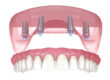
A tooth replacement solution such as a dental implant, requires healthy bone support. If you have sufficient bone tissue, your odds of a successful outcome are excellent. However, if the bone has shrunk, you may need a bone graft before we can place an implant, which would extend the process and make it more involved than if we had begun treatment earlier.
The Ripple Effect
Think of your teeth as a coordinated team, each one helping to distribute bite forces and balance the mouth. When a tooth is missing, this system is thrown off. Neighboring teeth take on extra pressure they aren’t meant to handle, which can lead to them wearing down, shifting, or not fitting together properly. What starts as a gap expands into multiple issues throughout your mouth.
You may notice that food gets stuck in the gap and compensate by chewing mostly on the unaffected side. These adjustments might seem minor at first, but if left unchecked, they can become lasting habits that lead to new dental problems. This is how the effects of a missing tooth quietly escalate and influence day-to-day life.
Waiting Doesn’t Pause Biology
When you delay treatment, you’re not simply postponing a procedure. In many cases, it means moving from a simple fix to a more involved treatment path. Here’s what can change:
- Bone loss may require us to perform a graft
- Tooth movement may reduce the ideal space
- Changes in bite may need correcting before final restoration
- Wear on surrounding teeth can create entirely new treatment needs
Getting an implant rarely becomes impossible, but the earlier the conversation happens, the more straightforward the path tends to be. Waiting too long can increase the risk of complications or the need for more extensive procedures, so early consultation helps ensure better outcomes.
The Personal Cost of Tooth Loss
Beyond the clinical picture, there’s a human cost to living with a missing tooth longer than necessary. You may find yourself chewing on one side, choosing softer foods, or smiling less — minor adjustments that gradually become your new normal without you fully realizing it. Replacing your tooth isn’t only about rebuilding bite function. It’s also about restoring your confidence and improving your well-being.
While you don’t have to decide on treatment immediately after losing a tooth, talking to us about your options will help you feel more in control and prepared. The first step is to schedule a consultation at our office located in Hazlet, NJ. We look forward to hearing from you.