How Long Does Teeth Whitening Take
If you are thinking about brightening your smile, one of the first questions you probably have is simple: how long does it take to whiten teeth? The honest answer is that it depends on the method you choose, the condition of your teeth, and how dramatic you want the result to be.
Some whitening treatments can noticeably brighten teeth in a single office visit. Others work more gradually over days or weeks. And while the internet loves one-size-fits-all answers, real teeth do not behave like a blank white T-shirt tossed in bleach. Stains build differently. Enamel varies from person to person. Coffee, red wine, tobacco, aging, and even certain medications all leave their own fingerprint on a smile.
At Elice Dental Care in Hazlet, NJ, patients often want to know not only how fast whitening works, but also what kind of results they can realistically expect. That is the better question. Speed matters, sure, but so does safety, comfort, and getting a shade improvement that actually looks natural on your face.
The Short Answer: Teeth Whitening Can Take Anywhere From One Visit to a Few Weeks
If you choose professional in-office teeth whitening, treatment may take about 60 to 90 minutes in a single appointment. Many patients leave the office with teeth that look several shades brighter the same day. This is the fastest option and is often the best fit for people preparing for a wedding, job interview, reunion, vacation, or any moment when they know cameras will be involved.
If you use custom take-home whitening trays from your dentist, the process usually takes one to two weeks, depending on the strength of the whitening gel and how often you wear the trays. This option gives you a little more control and can be a great choice if you want a more gradual change.
If you rely on over-the-counter whitening strips, pens, or toothpaste, results may take several days to several weeks, and they are often less dramatic. These products can help with mild surface stains, but they usually do not match the speed or precision of professional whitening.
What Affects How Long Teeth Whitening Takes?
The timeline for whitening depends on more than the product itself. Think of it like repainting a wall. If the wall is already in decent shape, one coat may do the trick. If it has years of scuffs, smoke stains, and uneven patches, it is going to take more work.
Your starting shade matters. Teeth that are slightly yellow often respond more quickly to whitening than teeth with gray, brown, or deep internal discoloration. Yellow-toned stains are usually more responsive because they tend to be tied to surface buildup and natural aging, while gray stains can be more stubborn and may come from medications or trauma.
Your daily habits also play a role. If you drink coffee every morning, sip tea all afternoon, and end the day with red wine, whitening may still work well, but your teeth have more stain accumulation to overcome. Smoking and tobacco use can make the process slower as well, especially if stains have been building for years.
Another factor is whether your teeth have existing dental work. Whitening products do not change the color of crowns, veneers, fillings, or bonding. So even if your natural teeth whiten quickly, old restorations may stay the same shade. That can affect how the final result looks and may require a more customized cosmetic plan.
How Long Does In-Office Teeth Whitening Take?
Professional whitening performed in a dental office is the fastest route for most patients. In many cases, the appointment takes about an hour to an hour and a half from start to finish. During treatment, a professional-strength whitening gel is applied to the teeth under controlled conditions, often with protective barriers to shield the gums and soft tissues.
The reason this method works faster is simple: the materials are stronger, the application is more precise, and the treatment is monitored by a dental team. You are not guessing whether the product is sitting correctly or whether your gums are being irritated. The process is designed for efficiency and safety.
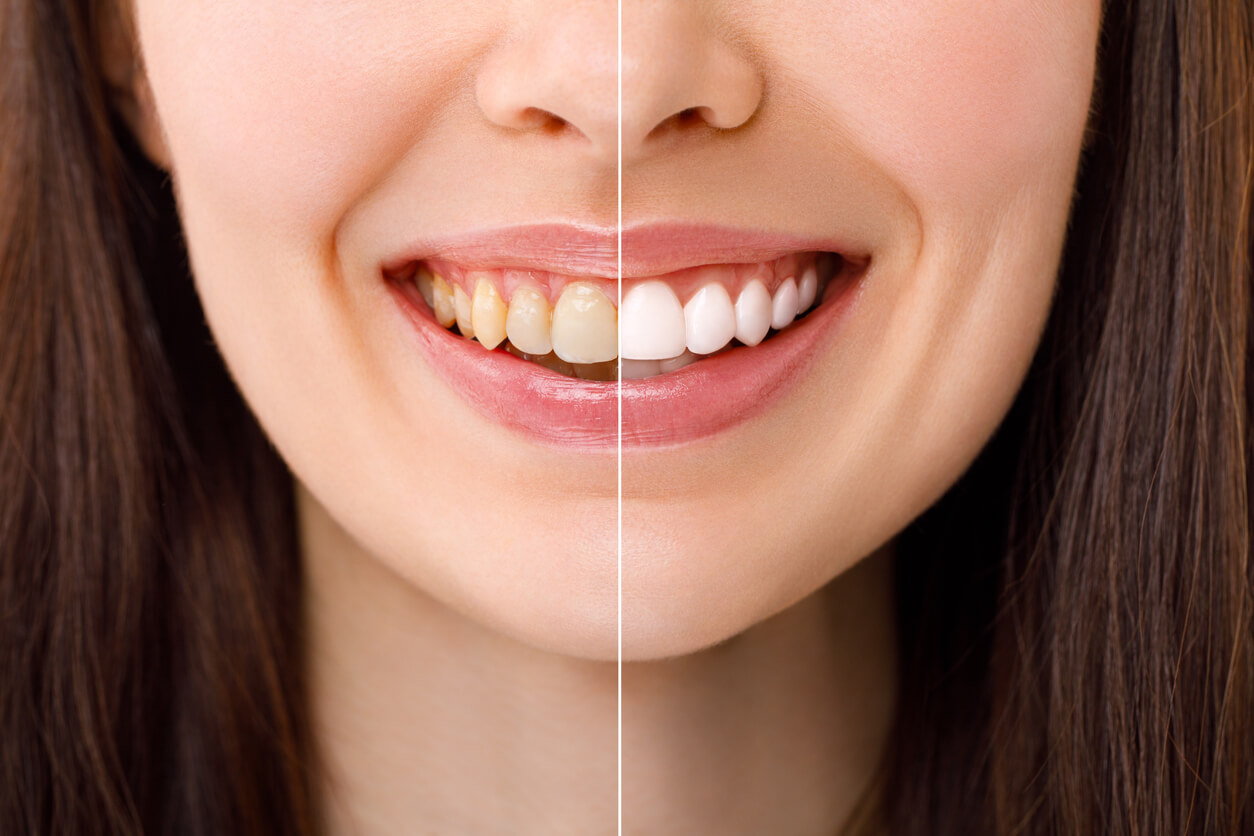
Many patients see a visible difference immediately after the appointment. For some, the change is subtle but clear. For others, it is the kind of before-and-after difference that makes them grin at themselves in the car mirror before they even leave the parking lot.
That said, the final shade may continue to settle over the next couple of days. Teeth can be slightly dehydrated immediately after whitening, which can temporarily make them appear even brighter. Once they rehydrate, the color stabilizes. This is normal and one reason your dentist may recommend waiting a short time before judging the finished result.
How Long Do Take-Home Whitening Trays Take?
Custom take-home trays from a dentist usually take one to two weeks to produce noticeable, even results. In some cases, patients begin seeing changes within just a few days. The exact timeline depends on the concentration of the whitening gel and the number of hours the trays are worn each day.
This approach is popular because it balances convenience with professional oversight. The trays are made to fit your teeth, which helps the gel stay where it should and reduces the sloshing, leaking, and gum irritation people sometimes experience with store-bought products.
For patients with moderate staining, custom trays can be an excellent option. They work well if you want flexibility or if you prefer whitening in stages rather than one concentrated office visit. Some people also like this method for touch-ups after in-office whitening.
There is another advantage here that often gets overlooked: control. If you have sensitive teeth, your dentist can recommend a slower approach, adjust wear time, or suggest products that minimize discomfort. That kind of customization matters because whitening is not just about getting teeth brighter fast. It is about getting there without making your mouth miserable.
How Long Do Over-the-Counter Whitening Products Take?
Drugstore whitening products vary widely. Whitening strips may take one to three weeks of regular use. Whitening toothpaste can take several weeks to a few months and usually only removes surface stains rather than significantly changing the natural color of the teeth. Whitening pens and rinses tend to offer modest results at best.
These options are easy to find and often less expensive upfront, which is why they are so popular. But there is a tradeoff. The fit is generic, the strength is lower, and the results are less predictable. It is a little like trimming your own bangs with kitchen scissors. Sometimes it goes fine. Sometimes it becomes a bigger project than expected.
For people with very mild staining, over-the-counter products may be enough to freshen the smile. But if you want a clearly brighter result, especially for an upcoming event, they may not move fast enough. And if you already have sensitivity, gum irritation, or uneven discoloration, using random products from the pharmacy aisle can turn into a frustrating experiment.
Why Some Teeth Whiten Faster Than Others
Not all stains are created equal. Surface stains caused by coffee, tea, soda, and tobacco often respond fairly well to whitening. These are called extrinsic stains, meaning they affect the outer layer of the tooth.
Intrinsic stains, on the other hand, are deeper within the tooth structure. These can develop from trauma, certain medications, excessive fluoride exposure, or internal changes over time. Intrinsic discoloration is often more difficult to treat and may take longer to improve, if it responds to whitening at all.
Age also matters. As we get older, enamel naturally thins and more of the yellowish dentin underneath begins to show through. That does not mean whitening will not work, but it can affect both the speed and the final brightness.
This is why professional guidance is so useful. A dentist can tell whether whitening is likely to help, whether it will take one session or more, and whether another cosmetic treatment might actually be the better solution.
Does Teeth Whitening Hurt or Cause Sensitivity?
For some patients, whitening causes little to no discomfort. For others, it can lead to temporary tooth sensitivity or mild gum irritation. This usually does not last long, but it can influence how quickly treatment should be done.
Sensitivity often feels like a quick zing when drinking something cold or breathing in cool air. It is not usually a sign that something is wrong, but it can be annoying. Patients with naturally sensitive teeth, gum recession, worn enamel, or untreated cavities may be more likely to feel it.
If sensitivity is a concern, professional whitening is often the safer route because the treatment can be tailored to your needs. Your dentist may recommend shorter wear times, lower concentrations, desensitizing products, or spacing out treatment. That can make the process take a little longer, but in exchange, it is far more comfortable.
In other words, the fastest whitening plan is not always the smartest one. There is no prize for suffering through a week of sharp tooth pain just to shave two days off the timeline.
How Long Do Teeth Whitening Results Last?
Once your teeth are whitened, the next question is usually how long the results will stick around. In many cases, professional whitening results can last six months to two years, depending on your habits and oral hygiene.
If you regularly drink coffee, tea, cola, or red wine, stains can creep back in faster. Smoking can shorten the life of your whitening results significantly. On the other hand, if you brush well, keep up with dental cleanings, and use touch-up treatments when recommended, your brighter smile can last much longer.
A good way to think about whitening is like detailing your car. The shine looks great after the work is done, but if you immediately drive through mud every day and never rinse it off, the effect fades faster. Maintenance matters.
Professional cleanings, occasional touch-ups, and being mindful of stain-causing foods and drinks can all help preserve your results. Some patients even use a straw for dark beverages or rinse with water afterward to reduce new staining.
Is One Whitening Session Enough?
For many patients, yes, one professional whitening session is enough to create a meaningful improvement. If your staining is mild to moderate, a single visit may give you exactly the kind of boost you were hoping for.
For others, especially patients with deeper stains or a goal of going significantly lighter, more than one round of whitening may be recommended. That could mean an in-office treatment followed by take-home trays, or a longer tray-based plan from the start.
The key is not chasing an unnaturally bright shade that does not suit your features. The best whitening results usually do not scream, “I whitened my teeth.” They just make you look healthier, fresher, and more polished. Like getting better lighting on your whole face.
When Whitening May Not Be the Right Solution
Sometimes patients ask how long whitening takes when the bigger issue is that whitening is not the ideal treatment in the first place. If discoloration is caused by internal staining, old dental work, enamel damage, or uneven tooth color, whitening alone may not deliver the result you want.
In those cases, cosmetic dentistry options like veneers, bonding, or replacing old visible restorations may make more sense. A dentist can also identify whether there is an underlying problem, such as decay or infection, that needs treatment before whitening is considered.
This is one reason a professional evaluation matters. It helps you avoid wasting time and money on products that are never going to solve the actual issue. If your smile needs more than a brighter shade, the right plan should address the whole picture.
Professional Teeth Whitening in Hazlet, NJ
If you are in Hazlet or the surrounding area and wondering how long it takes to whiten teeth, the best answer starts with seeing your dentist. At Elice Dental Care, patients have access to advanced, patient-focused treatment designed around real goals, real timelines, and real smiles.
Whether you want fast in-office whitening before a big event or a more gradual approach with custom take-home trays, professional care can help you get better results with less guesswork. It also ensures your teeth and gums are healthy enough for whitening and that the treatment chosen actually fits your situation.
A brighter smile can make a surprisingly big difference. Not in a movie-montage way, but in the everyday moments that count: laughing without covering your mouth, smiling in photos without overthinking it, speaking up without feeling self-conscious. Those small shifts add up.
Final Answer: How Long Does It Take to Whiten Teeth?
In most cases, teeth whitening can take anywhere from one office visit to a couple of weeks, depending on the method used and the type of staining being treated. In-office whitening is the fastest option, often delivering visible results in about 60 to 90 minutes. Custom take-home trays usually work over one to two weeks, while over-the-counter products may take longer and produce less dramatic results.
If you want whitening that is faster, safer, and more tailored to your smile, a professional consultation is the smartest first step. The right treatment can save you time, avoid unnecessary sensitivity, and help you get a result that looks clean, natural, and worth showing off.
If you are ready to explore teeth whitening in Hazlet, NJ, Elice Dental Care can help you find the option that fits your smile, your schedule, and your goals.