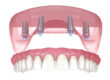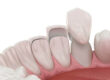

Often described as a “cap,” a crown covers the visible portion of a prepared tooth. It is custom-designed to fit the bite and blend with the surrounding smile. Crowns can also complete certain dental implant treatments or support a dental bridge.
For patients considering dental crowns in Hazlet, NJ, understanding the reasons for treatment, the available materials, and what happens during the procedure can make the experience feel much more manageable.
This article provides general educational information and is not a diagnosis or a substitute for an examination by a licensed dentist. A dentist must evaluate the tooth to determine whether a crown or another treatment is appropriate.
What Is a Dental Crown?
A dental crown is a restoration that surrounds the visible part of a tooth above the gumline. Unlike a filling, which repairs a specific area within a tooth, a crown provides broader coverage. This can help reinforce a tooth when there is not enough healthy structure for a filling alone.
The dentist prepares the tooth so the crown can sit securely without feeling bulky. The finished restoration is shaped to contact neighboring teeth properly and meet the opposing tooth when the patient bites down.
Why Might a Dentist Recommend a Crown?
A crown may be considered when a tooth needs more protection than a smaller restoration can provide. Common reasons include:
- A large cavity or filling has weakened the remaining tooth.
- A tooth is cracked, fractured, or significantly worn.
- A root canal-treated tooth needs added protection.
- A misshapen or severely discolored tooth affects the smile.
- A dental implant needs its final visible restoration.
- A tooth must serve as an anchor for a dental bridge.
A crown is not automatically the right answer for every damaged tooth. Depending on the amount of healthy structure, the condition of the tooth’s nerve, gum health, and the location of the damage, a dentist may discuss a filling, inlay, onlay, veneer, root canal treatment, or extraction instead.
Types of Dental Crown Materials
There is no single crown material that is best for every patient. The choice depends on where the tooth is located, how much biting pressure it receives, the appearance the patient wants, available space, and any history of clenching or grinding.
All-Ceramic or Porcelain Crowns
Ceramic materials can closely reproduce the color and light-reflecting qualities of natural enamel. They are often considered for teeth that show prominently when a person smiles. Different ceramic formulations have different strength and appearance characteristics, so the dentist may recommend a particular option based on the tooth.
Zirconia Crowns
Zirconia is a strong ceramic material that can be used in both visible and high-pressure areas. Modern zirconia restorations can balance durability with a natural-looking result, although their appearance varies by formulation and design.
Porcelain-Fused-to-Metal Crowns
These crowns have a metal substructure covered by tooth-colored porcelain. They combine internal support with a more natural exterior. In some situations, however, the underlying metal or crown margin may become more noticeable over time.
Metal Crowns
Metal alloys are highly resistant to fracture and require less emphasis on matching natural enamel. Because of their metallic appearance, they are generally more suitable for less-visible teeth when clinically appropriate.
What Happens During Dental Crown Treatment?
Treatment begins with an examination. The dentist may use dental X-rays and other diagnostic information to assess the tooth, its root, the surrounding bone, and the fit of existing restorations. If decay, infection, or gum problems are present, those concerns may need attention before the final crown is placed.
Preparing the Tooth
The area is typically numbed for comfort. The dentist removes damaged or decayed material and shapes the tooth to create room for the crown. If a substantial portion of the tooth is missing, a foundation or core buildup may be needed to support the restoration.
Designing the Crown
An impression or digital scan records the prepared tooth, neighboring teeth, and bite. The dentist also selects an appropriate shade for a tooth-colored restoration.
With a traditional process, a temporary crown protects the tooth while a dental laboratory creates the final restoration. Some practices also offer same-day workflows for eligible cases. Elice Dental Care provides same-day dental crown options in Hazlet, although the most suitable process depends on the condition of the tooth and the type of restoration required.
Placing the Final Crown
Before securing the crown, the dentist checks its fit, shape, contact with adjacent teeth, shade, and bite. Adjustments may be made so the restoration feels comfortable. The crown is then bonded or cemented in place.
Are Dental Crowns Painful?
Local anesthetic is generally used while the tooth is being prepared, helping keep the patient comfortable during treatment. Afterward, the tooth or nearby gum may feel temporarily tender or sensitive. Patients should follow the practice’s instructions and contact the dentist if discomfort becomes severe, worsens, or does not improve.
A crown does not treat every source of tooth pain by itself. If the nerve inside the tooth is inflamed or infected, additional treatment may be needed. This is one reason an examination is important before moving forward.
Same-Day Crowns Versus Laboratory-Made Crowns
Same-day dentistry can allow an eligible tooth to be scanned, designed, fabricated, and restored during one appointment. It may eliminate the need for a temporary crown and a separate placement visit.
A laboratory-made crown may be recommended when a case requires a material, design, shade characterization, or level of customization better handled by a dental laboratory. Neither process is universally superior. The best choice is the one that fits the clinical needs of the tooth and the patient’s goals.
How Long Does a Dental Crown Last?
A crown’s lifespan varies. Oral hygiene, bite forces, crown material, tooth condition, diet, and regular dental care can all affect its performance. Although crowns are designed for long-term use, they are not considered permanent for every patient.
Possible complications include loss of retention, decay near the crown margin, chipping, fracture, or changes in the supporting tooth. These types of complications have been documented in clinical research on tooth-supported crowns. Routine examinations help a dentist identify concerns before they become more extensive. Patients can review an example of this research in a clinical study of tooth-supported single crowns.
How to Care for a Crown
A crowned tooth still needs daily care. While the crown material cannot develop a cavity, the natural tooth at or below its edge remains vulnerable to plaque and decay.
- Brush gently and thoroughly with fluoride toothpaste.
- Clean between the crowned tooth and neighboring teeth every day.
- Attend recommended dental examinations and professional cleanings.
- Avoid chewing ice, hard candy, pens, and other nonfood objects.
- Ask about a nightguard if clenching or grinding is suspected.
- Do not use the teeth to open packages or cut materials.
If a temporary crown is being worn, the patient should follow the dentist’s specific eating and cleaning directions. If it loosens or comes off, the dental office should be contacted rather than attempting a permanent repair at home.
Signs That a Crown Needs Attention
A patient should arrange a dental evaluation if a crown feels loose, changes the bite, develops a rough or sharp area, or causes persistent discomfort. Other reasons to call include swelling, a bad taste, visible damage, or sensitivity that is new or worsening.
Facial swelling, fever, difficulty swallowing, difficulty breathing, uncontrolled bleeding, or significant dental trauma can require urgent care. Patients experiencing these symptoms should contact a dental professional promptly and seek emergency medical care when breathing or swallowing is affected.
What Do Dental Crowns Cost in Hazlet, NJ?
The cost of a crown varies according to the material, tooth location, treatment complexity, diagnostic needs, and whether procedures such as a core buildup or root canal are necessary. Dental insurance benefits also differ significantly between plans.
Before treatment, patients can request a written estimate that separates the crown from any related procedures. The dental team can also help explain expected insurance benefits, deductibles, annual limits, and available payment arrangements. An estimate is not always a guarantee of what an insurance company will pay.
Frequently Asked Questions About Dental Crowns
Can a crown look like a natural tooth?
Yes. Tooth-colored crowns can be designed to coordinate with the surrounding teeth in color, contour, and size. The final appearance depends on the material, the tooth underneath, the location of the crown, and the details of the case.
Does every tooth that has a root canal need a crown?
Not necessarily. The recommendation depends on the tooth’s location and how much healthy structure remains. Back teeth often endure greater chewing pressure, but a dentist must evaluate each tooth individually.
Can a cavity form under a crown?
Decay can develop in the natural tooth near the crown margin. Consistent brushing, interdental cleaning, and dental checkups help reduce this risk and allow problems to be detected earlier.
Can a broken crown be repaired?
Minor surface concerns may sometimes be smoothed or repaired, while a loose, extensively chipped, or fractured crown may need replacement. The dentist will also examine the tooth underneath before recommending treatment.
Is a crown better than a veneer?
They serve different purposes. A veneer mainly covers the front surface of a tooth and is often used for selected cosmetic concerns. A crown surrounds more of the tooth and may be preferred when broader structural protection is needed.
Can patients eat normally after crown placement?
Patients should follow the dentist’s instructions because recommendations may vary with the crown material and cement used. The area may feel unfamiliar at first, but a crown should not continue to feel unusually high or interfere with the bite. If it does, the dental office should be contacted.
Considering a Dental Crown in Hazlet?
A crown can protect a compromised tooth while restoring comfortable function and a natural appearance. The first step is determining why the tooth is damaged and whether enough healthy structure remains to support a predictable restoration.
Elice Dental Care offers restorative procedures, including crowns, in Hazlet, NJ. Patients who have a cracked tooth, a large filling, unexplained sensitivity, or concerns about an existing crown can schedule an evaluation at the practice’s Hazlet location. The dental team can answer questions, review available options, and recommend care based on the individual tooth rather than a one-size-fits-all approach.