How To Properly Brush Your Teeth
Brushing your teeth not only protects your oral health but also brightens your smile. But do you really know how to brush teeth properly? Many people miss key steps, leading to cavities and gum disease.
Whether you use a manual or electric toothbrush, a few simple brushing tips can make a big difference. We’ll cover the best tools to use, common mistakes to avoid, and the right brushing technique. By understanding these basics, you’ll boost your dental health and keep plaque at bay.
The Importance of Brushing Your Teeth
Brushing your teeth goes beyond freshening breath; it’s a fundamental part of keeping your entire body healthy. Here’s how it makes a difference:
- Prevents Cavities and Gum Disease: Proper brushing removes plaque and food particles, which are the main culprits behind cavities and gum disease. By diligently cleaning your teeth, you’re protecting them from decay and keeping your gums healthy.
- Supports Overall Health: Oral health impacts more than just your mouth. A healthy oral environment can contribute to heart health and can even decrease the risk of digestive problems. Keeping your mouth clean plays a big role in maintaining your overall well-being.
- Boosts Confidence: A bright smile and fresh breath can significantly enhance your confidence. When you know your teeth are clean, you can interact with others without worrying about bad breath, helping you to smile freely.
- Saves Money on Dental Costs: Investing time in brushing your teeth can save you from expensive dental treatments later. Preventive care means fewer fillings, extractions, and emergencies, ultimately saving you money.
- Maintains Strong Teeth and Gums: Using fluoride toothpaste regularly not only protects against cavities but also strengthens your enamel. Healthy brushing habits also protect against gum recession and tooth loss over time.
- Promotes a Healthier Lifestyle: Consistent oral hygiene encourages a routine of self-care and can set a positive example for those around you, especially children. It fosters a sense of responsibility for your well-being, promoting a healthier lifestyle overall.
Choosing the Right Tools for Brushing
Using the right tools for brushing can greatly enhance your oral care routine. Here’s what to consider for making the best choices to improve your dental health:
Use a Soft-Bristled Toothbrush
A soft-bristled toothbrush protects your gums and helps maintain your enamel. Whether you prefer manual or electric, soft bristles are key to effective cleaning without causing irritation. They can reach just below the gum line to remove plaque without damaging your teeth.
Consider Electric Toothbrushes
Electric toothbrushes can enhance your brushing efficiency. They often come with features like timers and pressure sensors, which help you brush thoroughly without damaging your gums. A small head allows them to clean back teeth and inner surfaces with precision, making them ideal for thorough oral care.
Choose the Right Manual Toothbrush
For those who prefer a manual option, look for a toothbrush with a comfortable grip. A small brush head allows better access to hard-to-reach areas. It’s ideal for controlling your brushing technique and ensuring comprehensive cleaning of all tooth surfaces.
Use Fluoride Toothpaste
Fluoride toothpaste is essential for reducing the risk of tooth decay and strengthening enamel. Use a pea-sized amount, as too much toothpaste can lead to excess foam and less effective brushing. Fluoride helps to remineralize areas of your teeth that may have started to dissolve and develop into cavities.
Replace Your Brush Regularly
Over time, the bristles on your brush can wear down and lose effectiveness. Replace your toothbrush or brush head every three months or sooner if the bristles look frayed. Regular replacement allows optimal cleaning and reduces the buildup of bacteria on your brush.
How to Brush Your Teeth Correctly
Brushing your teeth the right way is key to oral health. Here’s how to make sure you’re thoroughly cleaning every area:
Step 1: Angle Your Toothbrush at 45 Degrees
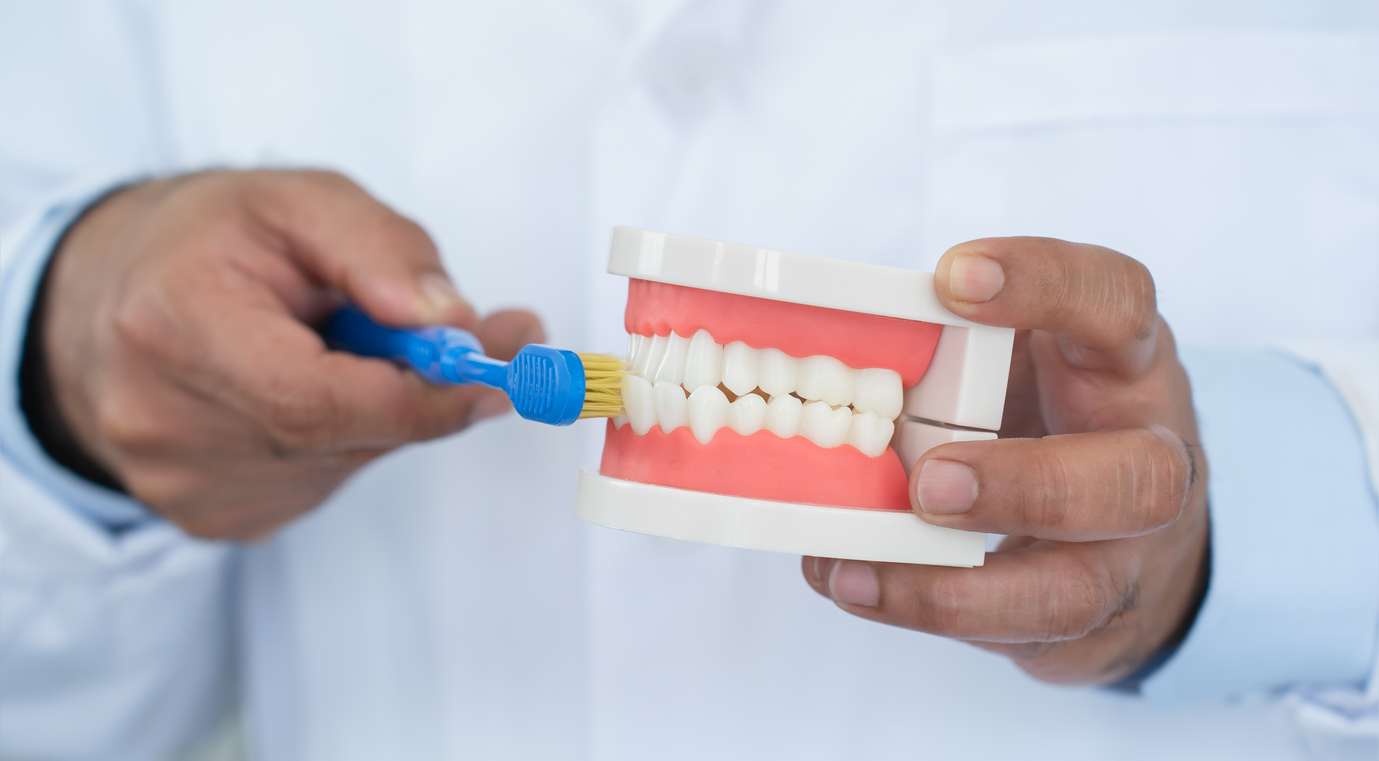
Positioning your brush at a 45-degree angle toward your gum line ensures that the bristles can reach under the gums. This angle is essential for removing plaque and preventing gum disease. It’s one of the most effective ways to achieve a thorough clean.
Step 2: Use Short Circular Strokes
Using gentle, circular motions effectively cleans your teeth while protecting them from damage. Focus on thoroughly cleaning all surfaces: the outer surfaces, inner surfaces, and chewing surfaces. This technique helps remove food particles and plaque, leaving your mouth feeling fresh.
Step 3: Brush Front Teeth Vertically
When cleaning your front teeth, hold the toothbrush vertically and use gentle up-and-down strokes. This approach helps you access the narrow spaces between teeth, making sure no area is missed. It’s particularly useful for dislodging any trapped food particles.
Step 4: Brush Your Tongue
Your tongue can harbor bacteria, contributing to bad breath. Gently scrubbing your tongue during your brushing routine helps reduce bacteria and freshen your breath. This step is vital for complete oral hygiene.
Step 5: Cover Every Surface Without Excess Toothpaste
Make sure you clean every surface of each tooth, but avoid using too much toothpaste. A pea-sized amount is enough to get the job done. Excess toothpaste creates too much foam, which can obstruct your view and make it harder to see if you’ve brushed every area thoroughly.
Common Mistakes to Avoid When Brushing Teeth
Even with the best intentions, many people make errors when brushing. Here’s a closer look at what to avoid to keep your teeth and gums healthy:
- Pressing Too Hard: Many people think that brushing harder means cleaner teeth. In reality, applying too much pressure can damage your gums and wear down enamel. Use gentle pressure to effectively remove plaque while preserving your teeth’s natural protection.
- Rushing the Process: Proper brushing should take at least two minutes. When you rush, you might miss cleaning all areas, allowing plaque to build up and form calculus. Make brushing a mindful ritual, dedicating enough time to each section of your mouth.
- Using a Worn-Out Brush: Old, frayed bristles can’t clean your teeth properly. Replace your toothbrush every three months or sooner if it shows signs of wear. Fresh bristles improve cleaning effectiveness and prevent bacteria buildup on the brush itself.
- Neglecting Surfaces: Make sure you brush the chewing, inner, and outer surfaces of each tooth. Missing any area can lead to plaque buildup and tooth decay. Take your time to reach every part of your mouth, including the gum line and back teeth.
- Skipping the Tongue: Your tongue can harbor bacteria, contributing to bad breath. Skipping this step can leave your mouth less clean. Make tongue brushing a routine part of your oral hygiene to promote fresher breath.
How Often Should You Brush?
Brush your teeth twice a day for two minutes each time. This effectively removes plaque, prevents tooth decay, supports gum health, and maintains fresh breath. If you have specific dental needs like braces, consult a professional for adjustments. This routine is essential for a healthy mouth and bright smile.
The Role of Flossing and Mouthwash
Brushing alone can’t reach every part of your teeth, which is why flossing and mouthwash play critical roles in oral hygiene.
Flossing
Flossing removes plaque and food particles from between your teeth and along the gum line, areas your toothbrush can’t reach. This helps prevent cavities and periodontal disease by keeping your gums healthy and reducing inflammation. Flossing daily disrupts plaque buildup, which can harden into tartar if not removed.
Mouthwash
A fluoride mouthwash adds extra protection to your oral care routine by reducing plaque, fighting bacteria, and remineralizing enamel for stronger teeth. It also freshens your breath, leaving your mouth feeling clean and healthy. Choose a mouthwash based on your needs, whether it’s plaque control, enamel strengthening, or breath freshening.
Combining Flossing and Mouthwash
Using these tools together with brushing creates a comprehensive oral care routine. Floss first to remove debris, then brush, and rinse with mouthwash to reach areas that might have been missed. This three-step approach provides a cleaner, healthier mouth and helps in maintaining a bright, confident smile.
Special Considerations for Different Age Groups
Oral care needs can vary significantly depending on age. Here’s how to address these different requirements.
Children
Children benefit from guidance and supervision to develop proper brushing habits, using fluoride toothpaste in the right concentration to protect against cavities. Encouraging twice-daily brushing and making the experience fun helps instill lifelong habits. Scheduling regular dental visits helps keep track of oral health and catch any early problems.
Adults
Busy adults may overlook oral care, but maintaining a routine of brushing, flossing, and regular dental visits is essential. Using products for specific concerns like whitening or sensitivity can help, and managing stress through exercise or relaxation supports overall oral health. Prioritizing these habits ensures a healthy mouth amidst a hectic schedule.
Seniors
Seniors often face challenges like dry mouth or gum recession, which can impact oral health. Staying hydrated and using oral care products designed for dry mouth can alleviate discomfort. Seniors should maintain regular dental visits to monitor changes in teeth and gums, and use electric toothbrushes for easier handling if needed.
Make Your Smile Glow With Us: Book Your Appointment Today!
With the right brushing techniques, you can transform your dental health and keep a strong, healthy smile for life. At Elice Dental Care, we’re here to help you every step of the way. Whether you need personalized advice or a professional cleaning, our team is ready to support you.
Book an appointment today and let us work together to make your smile the best it can be! Your oral health is important to us, and we’re committed to providing top-notch care that fits your needs. Let’s achieve that bright smile you deserve.