
How To Prevent Cavities
According to the CDC, cavities affect people of all ages. Half of kids aged 6 to 9 have had at least one cavity, and 10% of teens aged 12 to 19 have untreated cavities. For adults aged 20 to 64, 21% have untreated cavities. Almost all older adults 65 and up have had cavities, and about 1 in 6 still have untreated ones.
Cavities may be small, but they can cause significant problems if left unattended. Knowing how to stop tooth decay from spreading is key to keeping your smile bright. Whether you’re teaching your kids or taking care of your own teeth, these practical tips will help keep cavities away.
What Are Cavities?
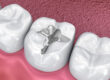
Cavities, or dental caries, are small holes that form in your tooth’s enamel. The enamel is the protective, hard outer layer designed to shield the inner parts of your teeth from damage.
Here’s how cavities form:
- Bacteria in Your Mouth: Your mouth houses various bacteria, some of which thrive on sugars from the foods and drinks you consume.
- Sugar Consumption: When you indulge in sugary foods or beverages, these bacteria feed on the sugars, starting a harmful cycle.
- Acid Production: As the bacteria digest the sugars, they produce acids as a byproduct.
- Enamel Erosion: These acids attack the tooth enamel, weakening it over time. Repeated acid exposure causes small holes or cavities to form in the enamel.
- Plaque Buildup: The bacteria and acids contribute to dental plaque, a film that sticks and forms on your teeth, further promoting the decay process.
Why It’s Important to Address Cavities
Cavities may start small, but their impact can grow if left untreated. Tackling cavities early is key to preventing a host of dental and health-related issues.
Preventing Deeper Damage
Cavities begin on the surface, but if left unchecked, they can spread into the deeper layers, such as the dentin and pulp. This progression can lead to severe decay that may necessitate extensive treatments, such as root canals or extractions, which can impact your tooth’s structure and function.
Avoiding Pain and Discomfort
Cavities are not just minor nuisances. They often cause tooth sensitivity and mouth pain, making simple activities like eating, drinking, and speaking uncomfortable. Addressing cavities eliminates this pain and restores comfort to your daily routine.
Protecting Overall Health
Your oral or dental health is closely connected to your overall health. Untreated cavities can increase the risk of infections and are associated with conditions such as heart disease and diabetes. By having good dental health, you can help reduce these risks and promote overall well-being.
Maintaining a Confident Smile
A healthy set of teeth boosts your self-esteem. Cavities can alter the appearance of your smile, affecting your confidence and willingness to engage socially. Repairing cavities helps keep your smile bright and your self-confidence strong.
Reducing the Risk of Further Complications
Addressing cavities promptly helps prevent complications, such as gum disease and tooth abscesses. Early intervention keeps treatment simple and effective, often requiring less invasive measures.
How to Stop Tooth Decay
Preventing tooth decay involves combining daily habits with professional care. Focusing on these key strategies helps protect your teeth and maintain a healthy, confident smile.
Essential Oral Hygiene
Healthy teeth begin with consistent at-home care and regular dental visits. Here’s how:
- Brush Your Teeth Regularly: Brushing is your first line of defense against cavities and gum disease. Use fluoride toothpaste to help strengthen your enamel and prevent tooth decay. Aim to brush your teeth at least two times a day, for two minutes each session. Swap out your toothbrush every three to four months, or even earlier if the bristles show signs of fraying.
- Floss Daily: Flossing removes food debris and dental plaque that your toothbrush can’t reach. Be sure to use an adequate length of floss, wrapping it around each tooth in a C-shape, and gently slide it up and down the side of the tooth, as well as below the gumline. Consider using floss holders or interdental brushes for easier access.
- Rinse Your Mouth: Incorporate mouthwash into your routine to further reduce bacteria and freshen breath. Choose an antibacterial or fluoride rinse to enhance your oral hygiene. A quick rinse can reach areas your brush might miss, offering added protection and keeping your breath fresh throughout the day.
- Use the Right Tools: Invest in an electric toothbrush for a more effective clean, particularly if manual brushing is challenging for you. Electric brushes can increase brushing efficiency and often have timers to ensure you brush for the recommended duration.
- Mind Your Tongue: Bacteria can accumulate on your tongue, leading to plaque buildup and bad breath. Use your toothbrush or a tongue scraper to gently clean your tongue.
Dietary Tips for Healthy Teeth
What you consume has a significant impact on your dental health. Consider these tips:
- Avoid Sugary and Acidic Drinks and Foods: Consuming sugary treats and acidic beverages can wear down tooth enamel, increasing the risk of cavities. Limit candy, soda, and fruit juice. If you indulge, wash your mouth or brush your teeth afterward to reduce their impact.
- Consume Teeth-Friendly Foods: Include foods that support your oral health, such as vegetables and crunchy fruits like carrots and apples. They stimulate gums and help clean teeth. Cheese and yogurt supply calcium and phosphorus, which help strengthen the enamel. Nuts are also a great option, providing nutrients without sugar.
- Choose Water: Drink plenty of water throughout the day to stay hydrated. Water not only helps clear away food debris but also keeps your mouth hydrated, reducing the risk of dry mouth. Tap water with fluoride provides an additional layer of protection against tooth decay.
- Chew Sugarless Gum: Chewing gum boosts saliva production, a natural defense against decay. Saliva clears away food debris and neutralizes acids. Opt for gum with xylitol to further reduce cavity-causing bacteria.
- Limit Starchy Foods: Foods such as bread and chips can adhere to teeth and break down into sugars, providing food for bacteria. Opt for whole grains that are less processed and have a lower glycemic impact.
- Moderate Alcohol and Coffee Consumption: Both can dry out your mouth and stain your teeth. If you enjoy these beverages, alternate with water and practice good oral hygiene to mitigate their effects.
Additional Preventive Measures
Enhance your oral health with these options:
- Dental Sealants: Think of dental sealants as armor for your teeth. Applied to the chewing surfaces, particularly on molars and premolars, they act as a barrier against decay-causing bacteria. The sealants fill in grooves and pits where food particles often get stuck, making them easier to clean.
- Fluoride Treatments: Fluoride is an excellent mineral that fortifies tooth enamel and helps reverse early decay. Regular fluoride treatments can be particularly beneficial if you’re prone to cavities, suffer from dry mouth, or have a history of dental issues.
- Regular Dental Check-Ups: These visits allow dentists to monitor your oral health and promptly manage any concerns. Professional cleanings remove dental plaque and tartar that regular brushing might miss, lowering the risk of decay.
Teaching Children Good Habits
Establishing good habits early can help prevent future dental issues. Here’s how to make oral care engaging for kids:
- Make Brushing and Flossing Fun: Choose colorful toothbrushes with their favorite characters or themes. Try a fun-flavored toothpaste that makes the experience more enjoyable. Turn brushing into a game or use a reward chart to encourage consistency and make it a memorable experience.
- Educate with Easy Language: Explain cavity prevention and the importance of oral health using simple language and relatable examples. Use interactive stories or videos that make learning about teeth exciting and understandable.
- Establish a Routine: Consistency is key. Set specific times for brushing and flossing, turning them into a natural part of their daily routine. Encourage children to brush twice a day for two minutes, using timers or catchy songs to help guide them.
- Lead by Example: Children often mimic adults, so let them see you brushing and flossing regularly. Show them how you care for your own teeth and discuss why it’s important.
- Involve Them in Dental Visits: Let kids be a part of their dental care by discussing what to expect during dental visits. Make these trips positive experiences by explaining what happens in simple terms and allowing them to ask questions.
- Utilize Educational Tools: Numerous books and apps are available to teach children about oral health. Incorporating these resources can make learning both fun and effective.
Recognizing Early Cavity Symptoms
Spotting the early signs of cavities is essential in preventing more complicated dental issues down the road. By being aware and proactive, you ensure your teeth remain healthy and strong.
Tooth Sensitivity and Discomfort
Experiencing unusual sensitivity to hot, cold, or sweet foods might suggest the beginning of a cavity. This sensitivity occurs when the protective enamel starts to deteriorate, exposing the sensitive dentin layer beneath.
White Spots on Teeth
Often the first visible indication of mineral loss, these spots might seem innocuous but can lead to cavities if ignored. These early signs of enamel weakening warrant a conversation with your dentist.
Visible Holes or Pits
Small holes or pits in your teeth are a clear sign of decay starting to set in. Prompt evaluation and treatment by a trusted dental professional can prevent decay from progressing to more severe stages.
Persistent Bad Breath
Often overlooked, persistent bad breath can be an indicator of bacterial buildup resulting from decay or poor hygiene. It’s a sign that a dental check-up might be necessary.
Unusual Taste in the Mouth
A persistent metallic or strange taste might indicate hidden tooth decay or dental issues. This occurs when bacteria alter the chemistry of your mouth. If you notice this taste, promptly visit your dentist.
Dark Spots or Staining
Early-stage cavities might manifest as dark spots or stains. These should not be ignored, particularly if the spots feel rough or sticky, as they may indicate areas where decay is progressing.
Put Your Smile First: Schedule Your Appointment Today
Your smile matters, and taking action now can keep your mouth healthy. At Elice Dental Care, we’re here to help you tackle dental issues before they become big problems. Our team provides care focused on your comfort, offering effective treatments such as dental fillings and preventive check-ups.
Don’t let cavities sneak up on you. By scheduling an appointment, you’re taking a step toward a confident, cavity-free future. Feel free to reach out to us at Elice Dental Care for personalized, friendly service. Book your visit today!