
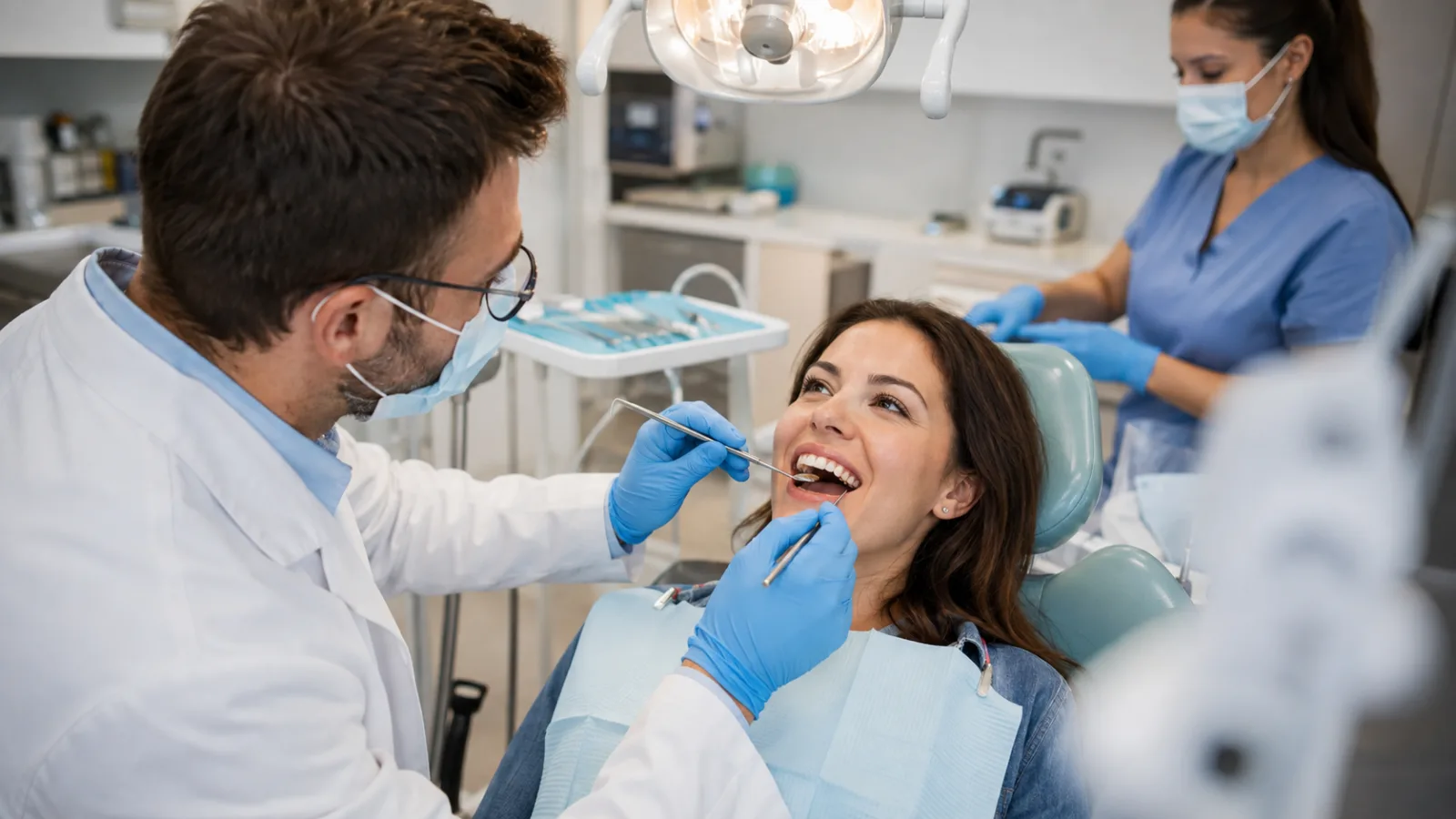
Most people want the same things from a dentist: clear answers, comfortable care, and practical help keeping their teeth healthy. General dentistry brings those priorities together by providing routine prevention, evaluating dental concerns, and restoring teeth when problems arise.
For patients exploring general dentistry in Hazlet, NJ, understanding the available services can make scheduling an appointment feel easier. It also helps patients recognize when to arrange a routine checkup and when a dental concern may need more prompt attention.
Dental health note: This article provides general information and is not a diagnosis or a substitute for an examination. A dentist can recommend appropriate care after reviewing a patient’s symptoms, health history, and individual needs.
What Does General Dentistry Include?
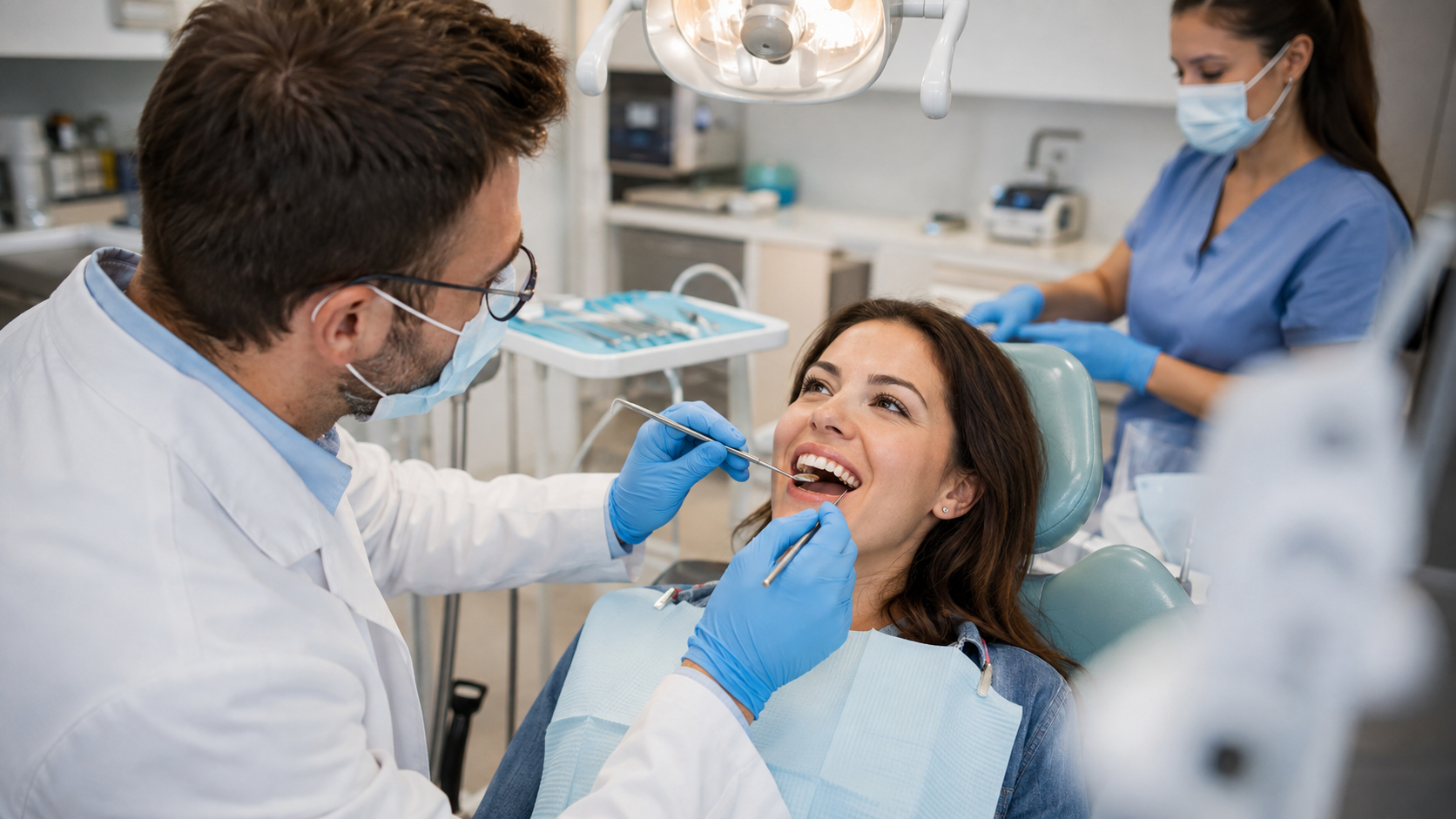
A general dentist is often the first professional a patient visits for oral healthcare. Much like a primary care clinician, the dentist monitors overall health within a specific area—in this case, the teeth, gums, bite, and surrounding oral structures.
General dentistry is not limited to treating cavities. It may include preventive visits, diagnostic evaluations, restorative procedures, emergency assessments, and conversations about improving the appearance or function of a smile. When specialized care is appropriate, a general dentist can also explain the issue and coordinate a referral.
At Elice Dental Care, patients in Hazlet can access preventive, restorative, cosmetic, and emergency dental services. The care recommended for each person depends on examination findings, current concerns, dental history, and personal goals.
Preventive dental care
Preventive care focuses on monitoring oral health and identifying changes before they become more complicated. A routine preventive visit commonly includes a professional cleaning and dental examination. The dental team may also evaluate the gums, existing fillings or crowns, bite, and areas that are difficult to inspect at home.
Dental X-rays may be recommended when they are clinically appropriate. These images can give the dentist information that is not visible during a standard visual examination. The type and frequency of imaging should be based on the patient’s age, dental history, symptoms, previous images, and current risk factors.
Preventive appointments are also a good time to ask questions about brushing, flossing, dry mouth, sensitivity, bad breath, or changes in the gums. Small adjustments to daily habits can make oral care more manageable, especially for people with dental work, crowded teeth, limited dexterity, or orthodontic appliances.
Restorative dentistry
Restorative dentistry addresses teeth that have been affected by decay, cracks, wear, injury, or missing structure. Depending on the condition of the tooth, options may include fillings, crowns, inlays, onlays, bridges, root canal therapy, or tooth replacement.
There is no single restoration that is right for every situation. The dentist considers how much healthy tooth structure remains, where the tooth is located, how the bite functions, and what the patient hopes to achieve. A clear treatment discussion should cover the purpose of the recommendation, reasonable alternatives, expected maintenance, and relevant costs.
Cosmetic dental options
General dentists may also provide services intended to improve the appearance of a smile. Common examples include professional teeth whitening, dental bonding, and veneers. Some restorative procedures can support both appearance and function, particularly when repairing a chipped, worn, or discolored tooth.
Before cosmetic care begins, the dentist should examine the teeth and gums. Existing decay, gum inflammation, sensitivity, or bite concerns may affect which options are suitable. Patients should also share what they would like to change, whether that means a brighter smile, a more even shape, or a subtle improvement that looks natural.
Emergency dental evaluations
Dental discomfort can range from mild sensitivity to pain that interrupts sleep or daily activities. A prompt dental evaluation may be appropriate for a significant toothache, swelling, a broken tooth, a lost restoration, bleeding after an injury, or a tooth that has been knocked loose or out.
Severe facial swelling, trouble breathing or swallowing, uncontrolled bleeding, or serious facial trauma may require emergency medical attention. When a patient is uncertain about the appropriate next step, calling a dental office and describing the symptoms can help the team advise whether an urgent visit is needed.
What to Expect at a General Dentistry Appointment
Knowing what happens during an appointment can reduce uncertainty, particularly for someone who has not visited a dentist recently. A typical visit begins with questions about the patient’s dental concerns, health history, medications, allergies, and previous experiences with dental care.
The clinical portion may involve:
- An examination of the teeth, gums, and mouth
- Evaluation of existing fillings, crowns, bridges, or other dental work
- Assessment of reported pain, sensitivity, or bite changes
- Dental X-rays when needed for diagnosis or treatment planning
- A professional cleaning when appropriate for the patient’s gum health
- A discussion of findings and possible next steps
Elice Dental Care states that a new patient’s first visit includes a comprehensive examination, digital X-rays, and a personalized treatment plan. The exact details of an appointment can vary according to symptoms, clinical needs, and whether urgent treatment is necessary.
If it has been a long time since the last visit
Patients sometimes postpone dental care because of anxiety, cost concerns, a busy schedule, or embarrassment about the condition of their teeth. A supportive dental team should focus on the current situation rather than criticizing the past.
The first goal is to understand what is happening. If several areas require attention, the dentist can discuss priorities and whether treatment may be completed in stages. Patients can ask which concern is most urgent, what can be monitored, and what options may fit their circumstances.
How Often Should Someone Visit the Dentist?
There is no ideal appointment schedule that applies to every person. Some patients may do well with routine preventive visits at intervals recommended by their dentist, while others may need closer monitoring because of gum concerns, repeated decay, dry mouth, extensive dental work, or certain health conditions.
Instead of relying on a universal timetable, patients should ask their dentist to recommend a schedule based on current findings and personal risk factors. New pain, swelling, a broken tooth, or another unexpected change should not be ignored simply because the next routine appointment is months away.
How to Make Dental Visits More Comfortable
Dental anxiety is common, and patients do not need to hide it. Mentioning nervousness when scheduling gives the team an opportunity to explain what to expect and discuss comfort preferences.
These practical steps may help:
- Ask questions early. Understanding what a procedure involves can make it feel less unpredictable.
- Agree on a pause signal. A simple raised hand can let the dental team know when a break is needed.
- Share previous experiences. Explaining what caused discomfort in the past helps the team respond more thoughtfully.
- Schedule strategically. Patients who feel less rushed in the morning may prefer an earlier appointment.
- Request cost information. A written estimate can make treatment planning easier, although actual insurance benefits and costs may vary.
- Bring a current medication list. Complete health information helps the dentist plan care safely.
Comfort also comes from communication. Patients should feel able to ask why treatment is being suggested, whether alternatives exist, and what may happen if care is delayed.
Choosing a General Dentist in Hazlet, NJ
A convenient location matters, but it is only one part of choosing a dental office. Patients may also want to consider the range of services offered, communication style, office technology, appointment availability, and approach to preventive care.
Helpful questions include:
- Is the practice accepting new patients?
- What happens during the first appointment?
- How does the office accommodate anxious patients?
- Are urgent dental concerns evaluated?
- Does the team explain treatment alternatives and expected fees?
- How does the office handle dental insurance and reimbursement?
- Can multiple family members receive care at the same practice?
Elice Dental Care welcomes new patients of all ages and reports that it works with most dental insurance plans. Because coverage varies, patients should confirm their benefits and ask the office for an estimate before planned treatment. An estimate is helpful for budgeting, but it is not a guarantee of what an insurer will pay.
Daily Habits That Support Dental Care
Professional visits work best alongside consistent care at home. Patients can support their oral health by brushing thoroughly with fluoride toothpaste, cleaning between the teeth, and following individualized guidance from their dental team.
It is also helpful to pay attention to changes. Persistent sensitivity, bleeding gums, a rough or sharp tooth edge, discomfort when biting, or a sore area that does not improve deserves a conversation with a dentist. These signs can have multiple causes, so an examination is more useful than trying to diagnose the problem at home.
Patients who use tobacco, frequently sip sugary or acidic drinks, experience dry mouth, or take medications that affect the mouth should mention those factors at an appointment. The dental team can offer practical recommendations tailored to the person rather than relying on a one-size-fits-all routine.
Frequently Asked Questions
What is the difference between general and cosmetic dentistry?
General dentistry primarily focuses on evaluating, preventing, and treating oral health problems. Cosmetic dentistry focuses on smile appearance. The two areas can overlap because some procedures may improve both function and appearance.
Can a patient visit a general dentist for a toothache?
Yes. A general dentist can evaluate many common causes of dental pain and discuss appropriate next steps. Severe swelling, difficulty breathing or swallowing, uncontrolled bleeding, or major facial trauma may require emergency medical care.
Are dental X-rays needed at every visit?
Not necessarily. The dentist should determine when X-rays are appropriate based on symptoms, dental history, risk factors, previous images, and the information needed for diagnosis or treatment planning.
What should a new patient bring?
A new patient may be asked to bring identification, insurance information, a medication list, relevant health history, and details about previous dental care. Completing forms online before the appointment may save time when that option is available.
How can someone prepare for a dental consultation?
Writing down symptoms and questions can help. Patients should note when a concern began, what makes it better or worse, and whether there has been swelling, an injury, or a change in biting. Sharing goals and budget concerns also supports a more useful conversation.
Does dental insurance cover general dentistry?
Coverage depends on the specific plan, procedure, deductible, annual maximum, and network rules. Patients should review their benefits and ask the dental office for available cost information before treatment. Final payment decisions are made by the insurer.
Find Supportive General Dental Care in Hazlet
General dentistry can help patients stay proactive, understand changes in their oral health, and make informed treatment decisions. The right dental relationship should feel collaborative: the clinician provides findings and options, while the patient has room to ask questions and express personal priorities.
Elice Dental Care is located at 226 Middle Road, Hazlet, NJ 07730. New patients can call (848) 337-2847, while existing patients can call (732) 264-7615. Patients may also contact the practice online to ask a question or request an appointment. A personal consultation is the appropriate next step for anyone seeking recommendations based on their own dental health.