Do Teeth Whitening Strips Work?
A study found that people with whiter teeth are often seen as more confident, successful, and socially attractive. That’s why achieving a noticeably brighter smile has become a priority for many people today. Are you looking for a brighter smile? Teeth whitening strips might be your solution. They’re easy to find and simple to use, offering an alternative to expensive professional teeth whitening.
In this article, we’ll explore how they function, what to expect, and how to use them effectively. Whether you’re trying them for the first time or switching from other products, we’ll help you make the right choice.
How Do Whitening Strips Work?
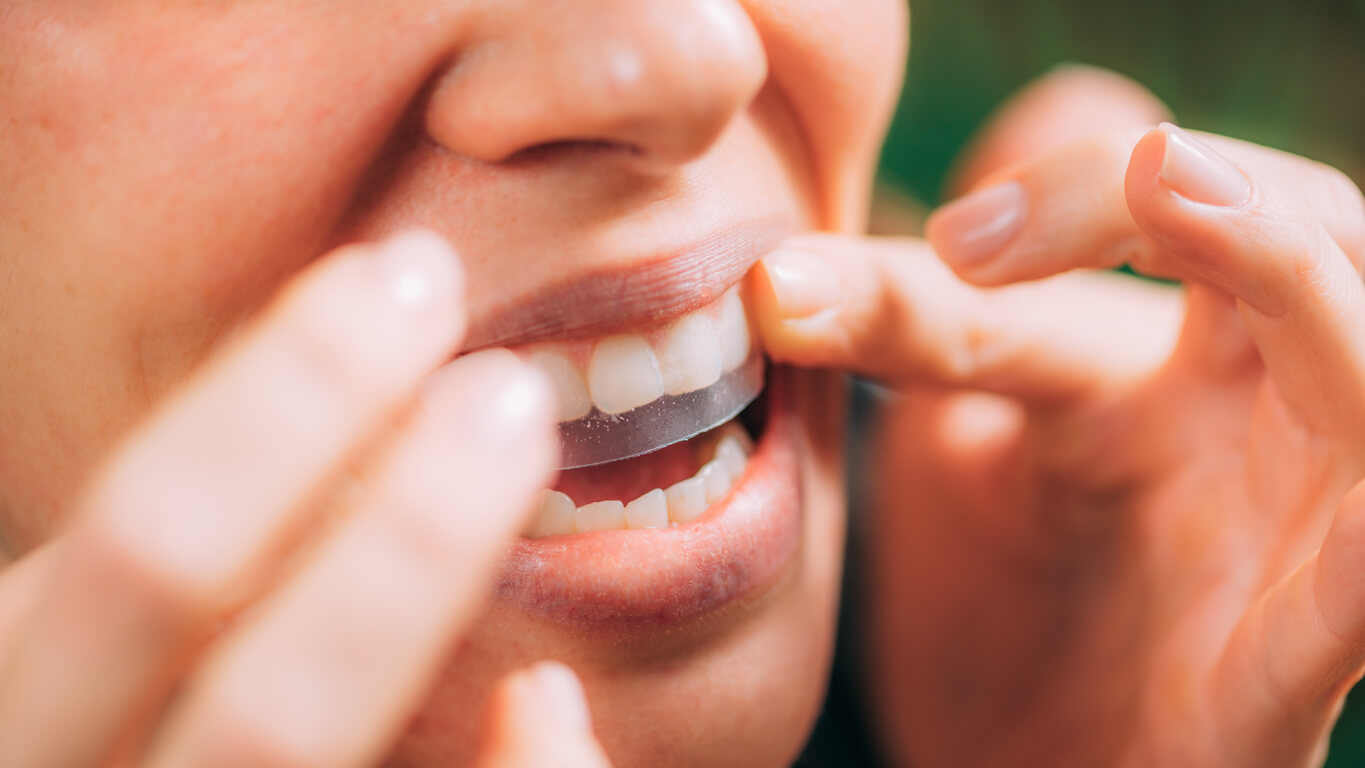
Whitening strips are flexible, transparent sheets designed to adhere snugly to your teeth, effectively delivering whitening agents like hydrogen peroxide or carbamide peroxide. These powerful ingredients penetrate the enamel to remove surface stains and lighten teeth, revealing a brighter smile. Convenient and easy to use, whitening strips offer a professional-level whitening experience at home.
Do Whitening Strips Work?
Yes, whitening strips are effective for treating mild to moderate surface stains by brightening teeth through targeted discoloration with active ingredients. While they offer noticeable results, factors such as diet and oral hygiene can significantly impact their effectiveness. Maintaining good oral care and monitoring food and drink choices help enhance and prolong the whitening effects.
Factors Influencing the Effectiveness of Whitening Strips
Several factors can affect how well whitening strips work for you:
Diet and Lifestyle
To maintain the effectiveness of whitening strips, it’s a good idea to avoid foods and drinks that can stain your teeth during treatment. These substances can diminish the power of the strips, so watching your diet can help achieve lasting results.
Tooth Sensitivity
If you have sensitive teeth, using whitening strips might cause some discomfort. Opt for products designed for sensitive teeth, which offer a gentler approach while effectively brightening your smile without significant irritation.
Oral Health
Before starting treatment, it’s essential to consult a dentist if you have gum disease or tooth decay, as these issues can affect how well the whitening strips work. Addressing any dental problems beforehand can help ensure the best outcomes.
Strip Application
Proper application is key for achieving even whitening results. Misaligned strips can lead to a patchy appearance, so be sure to follow the instructions closely for optimal coverage and effectiveness.
Product Quality
The effectiveness of whitening strips can vary based on quality. Choosing higher-quality, reputable brands can provide better and more consistent results, leading to a brighter and more satisfying smile.
Frequency of Use
Consistency is important for achieving the best results. Use the strips as directed to ensure optimal whitening. Skipping days or using them irregularly may delay progress and reduce their overall effectiveness.
Pros and Cons of Using Whitening Strips
Before deciding if whitening strips are the right choice, it’s important to weigh the benefits and drawbacks.
| Pros | Cons |
| Affordable and Accessible: Whitening strips are budget-friendly and easy to find in stores or online for convenient access. | Tooth Sensitivity: Some may experience sensitivity, especially with cold or hot foods, leading to temporary discomfort. |
| Convenient and Easy to Use: Designed for home use with no need for appointments or special equipment, fitting easily into your routine. | Gum Irritation: Improper application can cause gum irritation, so careful placement is needed to avoid discomfort. |
| Quick Results: Many users notice visible improvements within a few days, providing a fast solution for brighter teeth. | Uneven Whitening: Strips may not adhere perfectly to all teeth, causing uneven results on irregular surfaces. |
| Non-Invasive: Whitening strips are a gentle option compared to some professional treatments, making them appealing for first-time users. | Limited Effectiveness on Deep Stains: Strips may struggle with deep or intrinsic stains, where professional treatments could be more suitable. |
How to Use Whitening Strips Properly
To achieve the best outcome with whitening strips, follow these steps:
Clean Teeth
Begin by thoroughly flossing and brushing your teeth to remove any surface stains and debris. This ensures the whitening gel can make direct contact with your enamel, enhancing overall effectiveness. Clean teeth allow for even application and better adhesion of the strips.
Apply Strips Securely
Carefully align the strips with your teeth, pressing them gently to ensure they adhere properly. Make sure they fit snugly to avoid uneven whitening and cover all visible surfaces. Check that the strips are not overlapping with your gums, which can cause irritation.
Follow Instructions
Adhere strictly to the recommended application time and frequency as specified in the product directions. Overuse can lead to unwanted tooth sensitivity and gum irritation, so following these guidelines ensures safe and effective use. Set a timer if needed to avoid leaving the strips on too long.
Comparison With Other Whitening Methods
Choosing the right whitening method depends on various factors, including cost, convenience, and desired results.
| Aspect | Whitening Strips | Professional Whitening | Whitening Toothpaste | Whitening Pens |
| Cost | Budget-friendly, available in stores or online. | More expensive, usually involves multiple sessions. | Very affordable, part of regular dental routine. | Moderately priced, accessible in stores and online. |
| Ease of Use | Easy to use at home, with no special equipment needed. | Requires a visit to the trusted dentist for application. | Used daily like regular toothpaste. | Portable and convenient for quick applications. |
| Invasiveness | Non-invasive, comfortable for most users. | Can vary; some treatments involve stronger chemicals. | Non-invasive, no special steps involved. | Non-invasive, simple application process. |
| Effectiveness on Stains | Effective for mild to moderate surface stains. | Highly effective for deep stains and discoloration. | Minimal effectiveness, good for maintaining whiteness. | Suitable for removing surface stains temporarily. |
| Time to Results | Changes visible in a few days to weeks. | Provides immediate results after treatment. | Gradual improvements seen over time with regular use. | Quick effects, but results are temporary. |
| Customization | Generally standardized, not customized. | Tailored treatments to individual needs and teeth shape. | Standard formulation without customization. | Some offer custom options for targeted areas. |
| Side Effects | May cause tooth sensitivity and gum irritation. | Professionals help manage sensitivity and irritation. | Generally no side effects when used as directed. | Minimal, but possible slight sensitivity. |
| Duration of Results | Results are often short-term and require maintenance. | Long-lasting results, especially with follow-up care. | Provides short-term maintenance between treatments. | Results are short-lived, requiring frequent use. |
While whitening strips and other over-the-counter products can be effective, it’s important to consult a dentist for personalized advice. A reliable dentist can evaluate your oral health and recommend the best whitening option for you.
Why Professional Teeth Whitening Is Superior to DIY Methods
Professional teeth whitening offers significant advantages over DIY methods due to the expertise and advanced equipment available in dental practices. Dentists utilize high-quality, concentrated whitening agents that deliver more effective and faster results than over-the-counter products. Treatments are tailored to your specific needs and oral health, ensuring a safe, personalized approach that minimizes the risk of sensitivity or irritation.
Furthermore, professional supervision addresses any underlying oral health issues before treatment, optimizing results and reducing complications. Advanced techniques, such as laser whitening, are available only through dental professionals and can effectively tackle deep or intrinsic stains. This level of precision and care makes professional whitening a reliable choice for achieving noticeable and lasting improvements.
Maintaining White Teeth After Treatment
To keep your teeth bright and white after using whitening strips, consider these steps:
- Limit your intake of coffee, tea, red wine, and dark berries to prevent staining.
- Use a straw for beverages to minimize contact with your teeth.
- Rinse your mouth with water after consuming staining foods or drinks.
- Incorporate whitening toothpaste into your daily oral care routine.
- Brush and floss daily to maintain oral hygiene and prevent stains.
- Schedule regular dental cleanings to keep your smile healthy and bright.
- Drink plenty of water throughout the day to help rinse away food particles.
- Chew sugar-free gum to increase saliva production and cleanse your mouth.
- Avoid smoking to prevent significant discoloration of your teeth.
- Consider regular whitening touch-ups to maintain your bright smile.
Illuminate Your Smile With Elice Dental Care: Book a Consultation Today!
Want a brighter, radiant smile? Schedule a consultation with us at Elice Dental Care. Our skilled team offers custom teeth whitening options tailored just for you. We focus on delivering effective and safe treatments that suit your needs. You’ll leave our dental office with a dazzling, confident smile ready to light up any room.
By choosing us, you’re opting for personalized care in a warm, welcoming environment. Contact us now, and let’s start your journey to a whiter smile. We’re here to help you achieve the confidence you deserve with our expert dental services.