
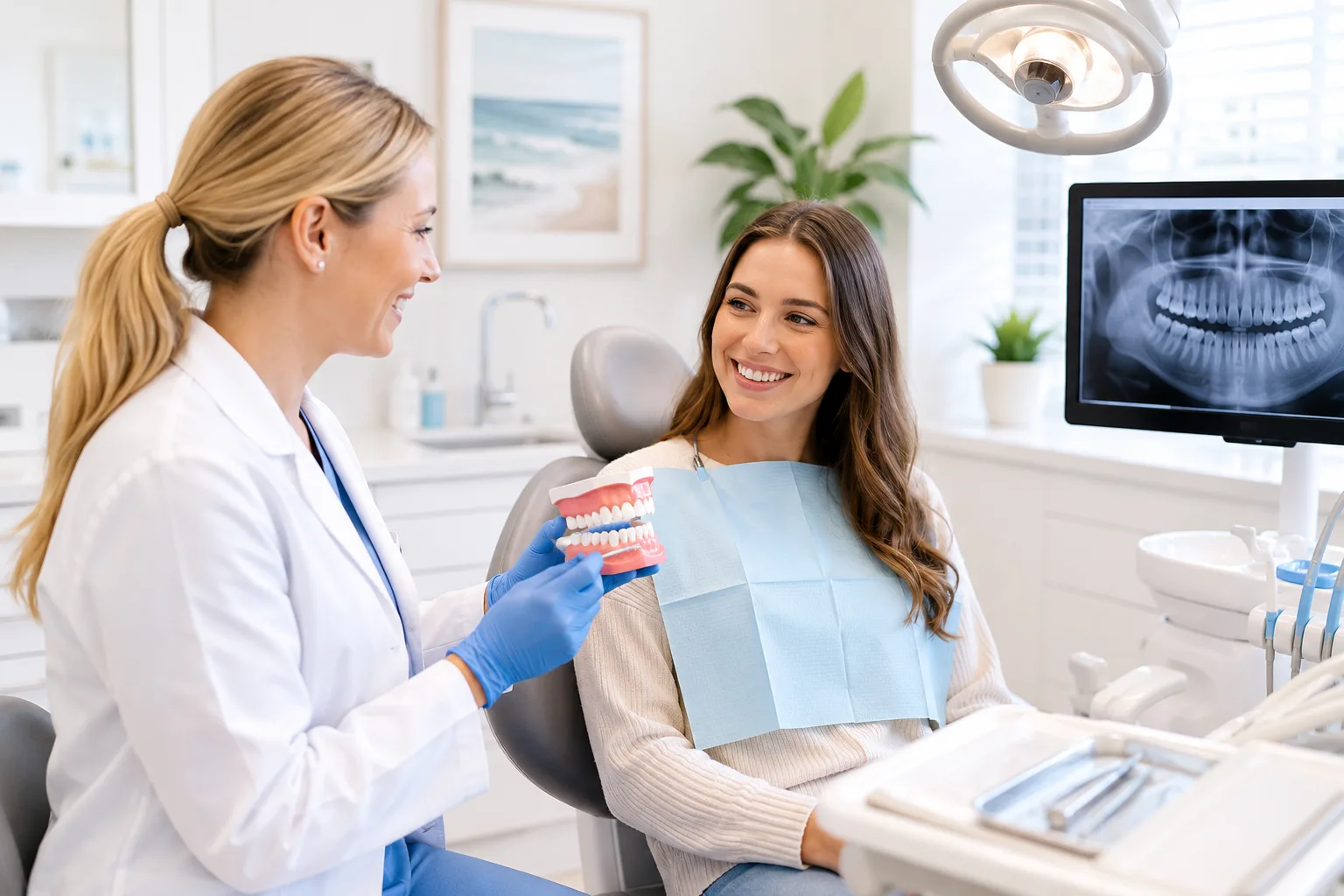
Finding a dentist is about more than choosing the closest office. Patients also want a team that listens, explains treatment clearly, respects their comfort, and can care for their changing dental needs over time.
Whether someone is new to the area, overdue for a checkup, interested in improving their smile, or dealing with a dental concern, knowing what to look for can make the search feel much easier. This guide explains how to choose a dentist in Hazlet, NJ, what to expect during a first appointment, and which questions can help patients feel confident about their care.
This article provides general educational information and is not a substitute for an examination, diagnosis, or personalized advice from a licensed dentist. Anyone experiencing pain, swelling, an injury, or another urgent dental concern should contact a dental professional promptly.
What to Look for in a Dentist in Hazlet, NJ
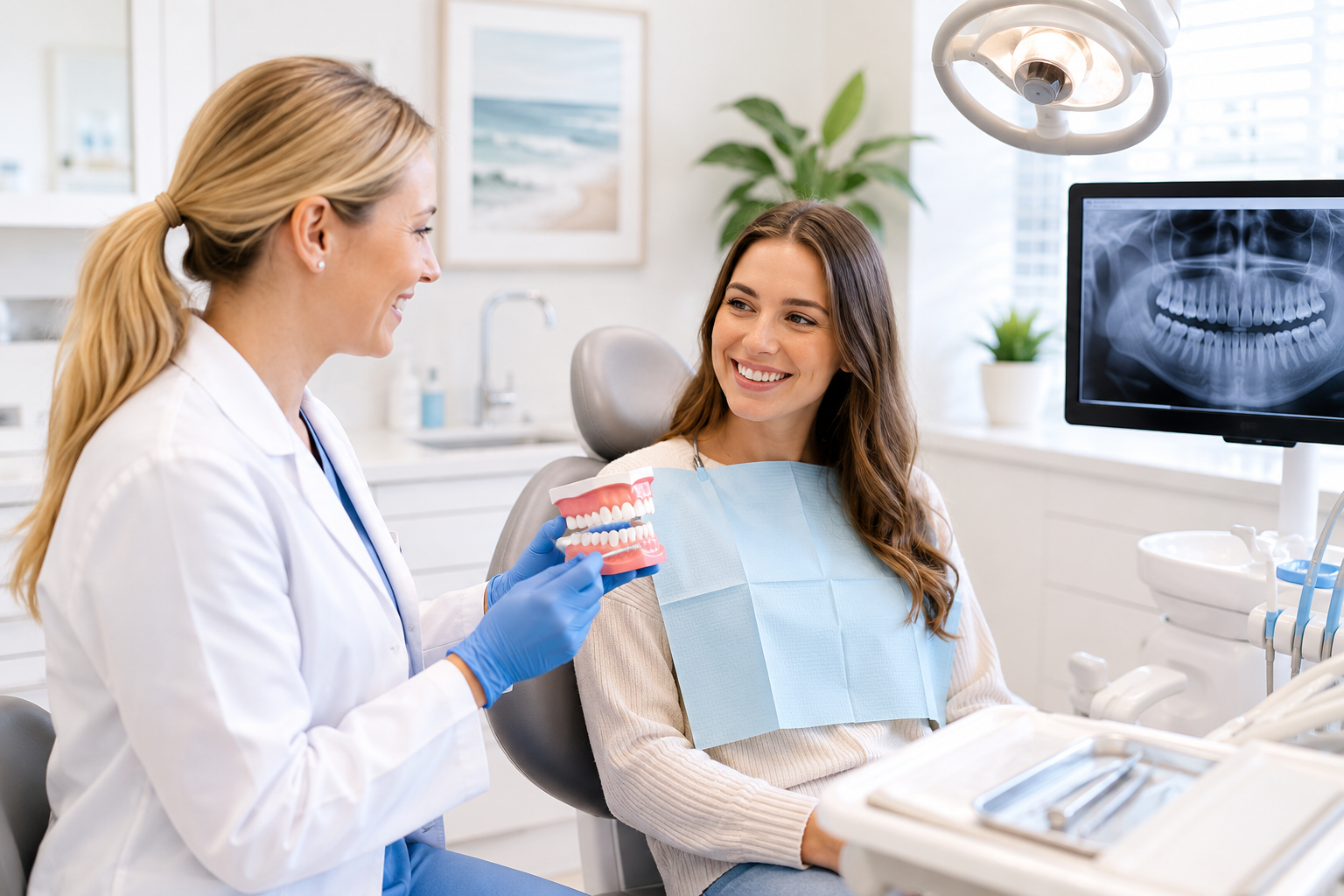
The right dental practice should feel welcoming while providing careful, personalized care. Although every patient has different priorities, several qualities can help distinguish an office that is prepared to support long-term oral health.
A Patient-Focused Approach
Good dental care begins with communication. A patient-focused team takes time to ask about concerns, previous dental experiences, health history, and treatment goals. It should also explain findings in understandable language rather than expecting patients to make decisions based on unfamiliar terms.
This is especially important for people who feel nervous about dental treatment. Knowing what will happen, why it is recommended, and what options may be available can make an appointment feel more manageable.
Comprehensive Services
Dental needs often change throughout life. One person may only need preventive visits today but require a filling, crown, cosmetic procedure, or tooth-replacement consultation later. Choosing an office with a broad range of services may provide greater continuity and reduce the need to establish care with multiple practices.
When comparing offices, patients can ask whether the practice provides:
- Dental examinations and professional cleanings
- Digital X-rays and diagnostic evaluations
- Fillings, crowns, and other restorative treatments
- Cosmetic options such as whitening or veneers
- Dental implant consultations and tooth-replacement care
- Emergency dental evaluations
- Care for patients of different ages
The availability of a service does not mean it is appropriate for every patient. A dentist should recommend treatment only after reviewing the person’s oral health, medical history, priorities, and examination findings.
Modern Dental Technology
Technology can help a dental team evaluate oral health, plan treatment, and explain findings to patients. Digital imaging, for example, can give a dentist information that may not be visible during a visual examination alone.
Patients do not need to understand every piece of equipment in an office. It is more useful to ask how the technology contributes to diagnosis, treatment planning, efficiency, or comfort. A dependable team should be happy to explain how and why a particular tool is used.
Clear Financial and Insurance Information
Uncertainty about cost can make dental care stressful. Before treatment begins, the office should explain estimated fees, insurance considerations, and available payment arrangements as clearly as possible.
Dental insurance coverage varies by plan, and an estimate is not always a guarantee of payment. Patients should ask which services are included in an estimate, whether preauthorization may be helpful, and what portion they may need to pay themselves.
A Convenient Hazlet Location
Convenience matters because dental care works best when appointments are realistic to maintain. Patients may want to consider travel time, office hours, parking, scheduling options, and how the practice handles urgent concerns.
A local office can be especially helpful for families managing school, work, and other responsibilities. It can also make follow-up visits easier when a treatment plan requires more than one appointment.
Why Preventive Dental Care Matters
Preventive care is the foundation of a healthy smile. Regular visits allow the dental team to assess the teeth, gums, bite, and other oral tissues. Professional cleanings also remove deposits that may remain even when someone brushes and flosses carefully at home.
The appropriate timing of checkups and cleanings is not identical for every person. A dentist may recommend a schedule based on gum health, cavity history, existing restorations, medical factors, home-care habits, and other individual needs.
Prevention also includes what happens between appointments. A practical home routine generally involves brushing thoroughly, cleaning between the teeth, and following any product or technique recommendations provided by the dental team. Patients who struggle with sensitivity, dexterity, bleeding gums, or hard-to-reach areas should mention those concerns rather than feeling embarrassed. The team can suggest a more manageable approach.
What to Expect at a First Dental Visit
A first appointment gives both the patient and dental team an opportunity to build a clear picture of current needs. At Elice Dental Care, a new-patient visit includes a comprehensive examination, digital X-rays, and a personalized treatment plan. Patients can also complete forms online before arriving.
Although the exact sequence can vary, a first visit may include the following steps.
Reviewing Dental and Medical History
The team may ask about medications, allergies, health conditions, past procedures, previous dental experiences, and current symptoms. Complete information is important because a person’s overall health and medications may influence dental planning.
Patients should also share personal priorities. Some may want to relieve discomfort, while others are concerned about prevention, function, appearance, or replacing missing teeth. These goals help shape the conversation.
Examining the Teeth and Gums
The dentist evaluates the mouth and reviews any necessary images. If the examination identifies an area that needs attention, the dentist should explain what was found, whether it appears urgent, and which options may be considered.
Patients are encouraged to ask to see images or photographs when available. A visual explanation often makes it easier to understand a recommendation.
Creating a Personalized Plan
Not every concern must be handled in a single visit. A treatment plan can prioritize immediate needs, preventive care, and longer-term goals. When several procedures are being considered, patients can ask which treatment should come first and what could happen if care is delayed.
There should also be room for questions. Consent is more meaningful when a patient understands the purpose, alternatives, expected experience, limitations, and estimated cost of proposed care.
Dental Services for Different Patient Needs
A general dental office may provide several categories of care. Understanding those categories can help patients know where to begin.
Cleaning and Prevention
Preventive appointments focus on monitoring oral health and helping patients maintain healthy habits. Depending on individual findings, these visits may include an examination, cleaning, imaging, gum assessment, and recommendations for home care.
Restorative Dentistry
Restorative treatment is used to repair or replace damaged or missing tooth structure. Options may include fillings, crowns, bridges, or implant-related care. The most suitable choice depends on factors such as the condition of the tooth, available support, oral health, preferences, and budget.
Cosmetic Procedures
Cosmetic dentistry can address concerns involving tooth color, shape, size, spacing, or overall smile appearance. Whitening and veneers are examples, but a cosmetic plan should begin with an oral health evaluation. Existing decay, gum concerns, or damaged teeth may need attention before elective treatment begins.
Emergency Dental Care
Dental problems do not always occur at convenient times. A practice that offers emergency evaluations can help determine the source of a concern and discuss appropriate next steps. Patients contacting an office should describe what happened, when it began, and whether symptoms are changing so the team can advise them about scheduling.
Severe or rapidly worsening symptoms should not be self-diagnosed online. A dental professional can determine whether an issue requires prompt office care or a different level of medical attention.
Questions to Ask Before Choosing a Dental Office
A brief conversation with the office can reveal a great deal about the patient experience. Useful questions include:
- Is the practice accepting new patients?
- Does the office care for adults and children?
- What is included in a first appointment?
- Can new-patient forms be completed online?
- How does the practice handle dental emergencies?
- Does the office work with the patient’s insurance plan?
- How are treatment costs and payment options explained?
- What comfort measures are available for nervous patients?
- Which services are provided in the office?
The answers should feel clear and respectful. Patients should never hesitate to request clarification or take time to consider non-urgent treatment options.
Frequently Asked Questions
Is Elice Dental Care accepting new patients?
Yes. Elice Dental Care states that it welcomes new patients of all ages at its Hazlet, NJ office. New patients can call the office or request an appointment online.
What happens during a new-patient appointment?
According to the practice, the first visit includes a comprehensive examination, digital X-rays, and a personalized treatment plan. The exact care provided may vary according to the patient’s history, symptoms, and clinical needs.
How often should someone visit the dentist?
There is no single schedule that is ideal for everyone. The dentist should recommend appointment timing based on the patient’s teeth, gums, treatment history, risk factors, and current oral health.
Can a patient visit the dentist if they feel anxious?
Yes. Patients should tell the team about dental anxiety when scheduling or at the beginning of the visit. Clear explanations, planned breaks, agreed-upon signals, and a slower pace may help. The dentist can discuss appropriate comfort options based on individual circumstances.
Does Elice Dental Care accept dental insurance?
Elice Dental Care reports that it works with most dental insurance plans. Because coverage and reimbursement vary, patients should contact the office and their insurer for plan-specific information before treatment.
Should someone wait for pain before making an appointment?
No. Some dental concerns may not cause obvious discomfort at first. Preventive visits allow a dentist to evaluate oral health even when everything feels normal. Anyone who already has pain, swelling, an injury, or another concerning change should contact a dental professional for guidance.
Take the Next Step Toward a Healthier Smile
Choosing a dentist in Hazlet, NJ should feel like the beginning of a supportive relationship. A welcoming team, clear communication, modern evaluation methods, and an emphasis on prevention can help patients make informed decisions without unnecessary confusion.
Elice Dental Care provides preventive, restorative, cosmetic, and emergency dental services for patients in Hazlet. The practice is located at 226 Middle Road, Hazlet, NJ 07730. New patients can call (848) 337-2847 or request an appointment online. Existing patients can call (732) 264-7615.
Whether it is time for a checkup or there is a specific concern to discuss, the next step can be as simple as asking a question. A personal consultation allows the dental team to evaluate individual needs and recommend appropriate options.