
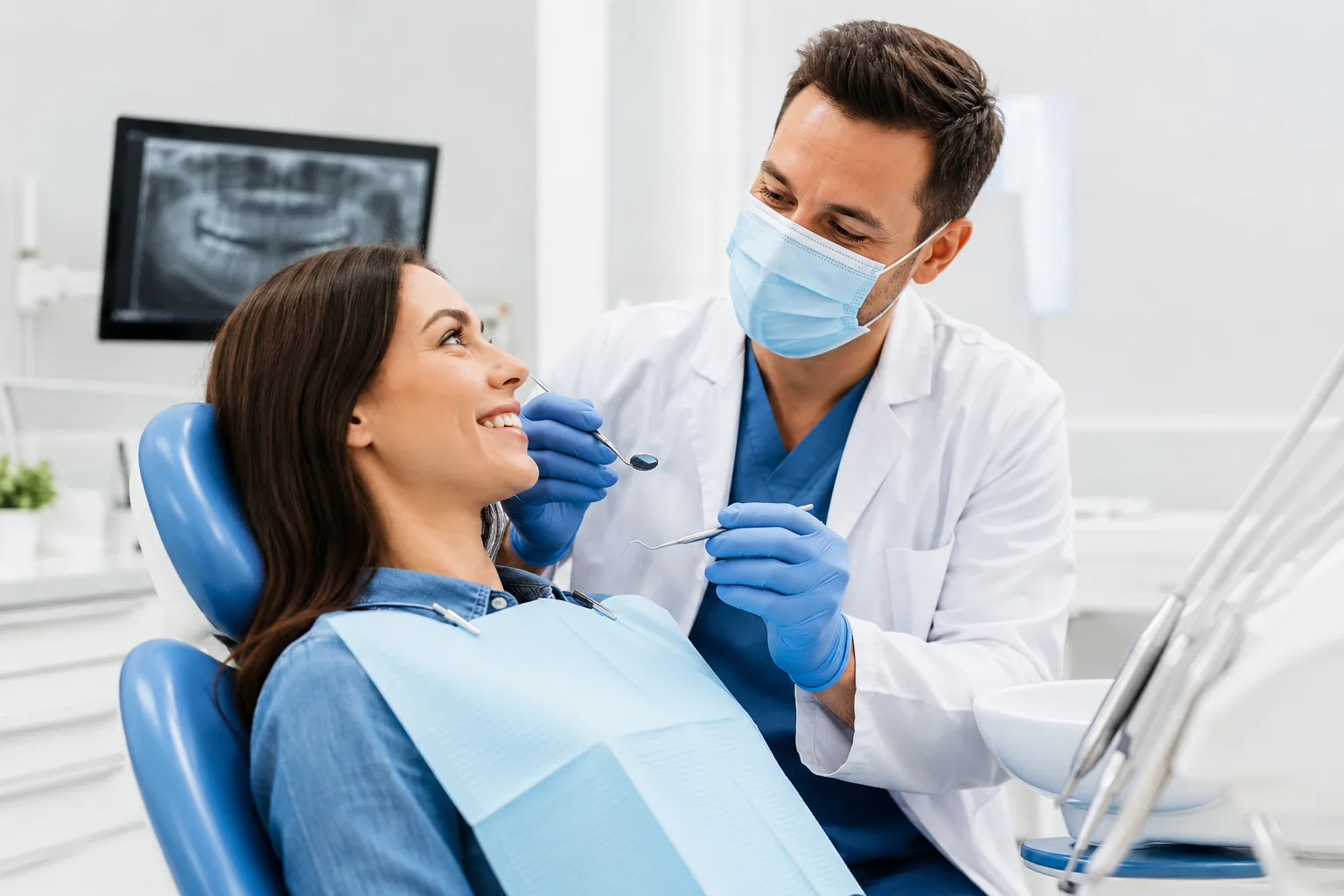
A chipped tooth, stubborn discoloration, or uneven spacing can make someone hesitant to smile—even when their teeth are otherwise healthy. Dental veneers offer a customizable way to improve these cosmetic concerns while preserving much of the natural tooth.
For patients considering veneers in Hazlet, NJ, understanding the treatment is an important first step. Veneers can create a balanced, natural-looking result, but they are not the right choice for every tooth or every patient. A careful dental evaluation helps determine whether veneers, bonding, whitening, orthodontics, crowns, or another option best fits a person’s needs.
This article provides general educational information and is not a substitute for an examination or personalized advice from a licensed dentist.
What Are Dental Veneers?
Veneers are thin, custom-made coverings placed over the visible front surfaces of teeth. They are designed to change characteristics such as color, shape, size, or apparent alignment. Because each veneer is created for a particular tooth, the dentist can plan its shade and proportions to complement the patient’s smile and facial features.
According to the American Dental Association’s MouthHealthy resource, the two main types are porcelain and composite veneers.
Porcelain veneers
A porcelain veneer is a thin shell made to fit the front of a tooth. Porcelain can provide a strong, natural-looking restoration with subtle color and translucency. The veneer is generally created outside the mouth and then bonded to the prepared tooth during a later appointment.
Composite veneers
Composite veneers use tooth-colored filling material that is bonded and shaped directly on the tooth. They may require less enamel removal and fewer appointments in some cases. Material selection depends on the tooth’s condition, the desired change, the patient’s habits, and other clinical factors.
What Cosmetic Concerns Can Veneers Address?
Veneers may be considered when a patient wants to improve one tooth or create a more consistent appearance across several visible teeth. They can sometimes help disguise:
- Stains or discoloration that may not respond as desired to whitening
- Small chips or worn edges
- Minor gaps between teeth
- Teeth that appear uneven, undersized, or irregularly shaped
- Slight visual misalignment in selected cases
- Differences in the color or proportions of neighboring teeth
Veneers change the appearance of teeth; they do not move teeth in the way orthodontic treatment does. They also cannot correct untreated decay, active gum disease, or every type of structural damage. If a tooth has lost substantial structure, a crown or another restorative treatment may offer more appropriate protection.
Who May Be a Good Candidate for Veneers?
A suitable candidate generally has healthy teeth and gums, enough sound tooth structure to support the restorations, and realistic expectations about the outcome. The dentist also considers the patient’s bite and habits because veneers must withstand everyday chewing forces.
Clenching, grinding, nail-biting, chewing ice, or using teeth to open packaging may place extra stress on veneers. These habits do not automatically rule out treatment, but they should be discussed before a decision is made. A dentist may recommend addressing the habit or using a protective appliance when appropriate.
Patients should also understand that veneer treatment is generally considered irreversible when enamel must be removed. Although the amount of preparation varies, removed enamel does not grow back. That makes thoughtful planning especially important.
Why oral health comes first
Placing a cosmetic covering over an unhealthy tooth does not solve the underlying problem. Before recommending veneers, a licensed dentist should look for cavities, cracks, weakened restorations, gum inflammation, and bite concerns. Necessary preventive or restorative care may need to come first.
The ADA cautions patients against veneer services performed without a licensed dentist. A proper examination helps reduce the risk of placing veneers over undiagnosed dental disease and gives patients an opportunity to understand the benefits, limitations, and alternatives.
What Happens During the Veneer Process?
The exact experience varies with the material, number of teeth, and treatment plan. In general, patients can expect several important stages.
1. Consultation and smile planning
The dentist begins by asking what the patient would like to change. This conversation is more detailed than simply requesting “whiter” or “straighter-looking” teeth. Patients may discuss preferred tooth shape, brightness, symmetry, and whether they want a subtle refinement or a more noticeable transformation.
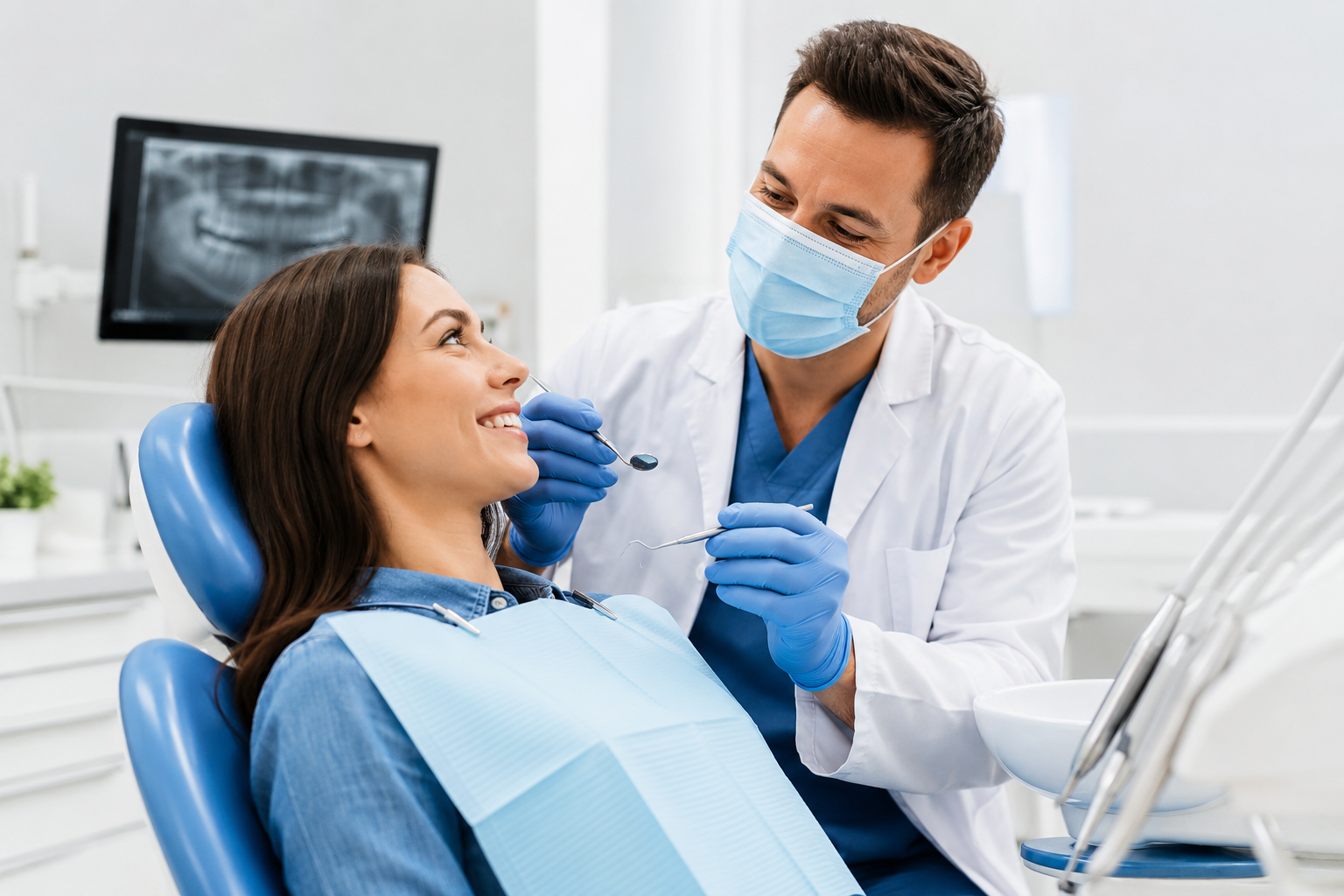
The clinical evaluation may include an examination, dental images, photographs, scans, or impressions. The dentist checks the health of the teeth and gums and evaluates how the upper and lower teeth come together.
2. Tooth preparation
Depending on the type of veneer and the desired result, the dentist may remove a small amount of enamel. Preparation creates space for the material so the finished tooth does not look bulky. The amount needed is case-specific, and some situations require more preparation than others.
For laboratory-made veneers, the dentist records the prepared teeth so the restorations can be fabricated. Temporary veneers may be used when appropriate while the final ones are being made.
3. Fit, shade, and bonding
Before final placement, the dentist evaluates each veneer’s fit, appearance, and relationship to the surrounding teeth. Adjustments may be made to improve comfort or aesthetics. The tooth is then cleaned and prepared for bonding, and the veneer is secured with dental cement.
The dentist checks the bite after placement and provides care instructions. Patients should speak up if something feels uneven or uncomfortable; small bite adjustments may sometimes be needed.
Do Veneers Look Natural?
Natural-looking veneers are not simply bright white. Teeth have texture, contours, varying levels of translucency, and proportions that differ from one person to another. Successful cosmetic planning considers these details rather than relying on a single standard shape or shade.
The number of treated teeth also matters. In some cases, improving one or two teeth can create harmony. In others, treating several visible teeth may provide a more consistent transition across the smile. More veneers are not automatically better. The goal is to find the most conservative plan that addresses the patient’s concerns.
Patients can help by bringing photographs that show what they like, while remaining open to professional guidance. A result that suits one person’s face or social-media photo may not suit another patient’s features, bite, or natural teeth.
Benefits, Limitations, and Possible Risks
Veneers can improve several cosmetic concerns at the same time and may create a cohesive appearance. Porcelain veneers are described by the ADA as strong, long-lasting, and natural-looking. However, no dental restoration should be expected to last forever or remain damage-free under every circumstance.
Possible limitations or concerns include:
- The need to remove some enamel in many cases
- Temporary or ongoing tooth sensitivity in some patients
- The possibility of chipping, cracking, loosening, or wear
- The need for repair or replacement in the future
- Color differences if surrounding natural teeth change shade
- Continued risk of decay around the edges if oral hygiene is inadequate
- Limited dental insurance coverage when treatment is considered cosmetic
A dentist can explain which concerns are most relevant after examining the teeth. Treatment results, comfort, and longevity vary according to oral health, bite forces, habits, materials, and ongoing care.
How to Care for Veneers
Veneers still depend on the health of the teeth and gums beneath and around them. Patients should brush with fluoride toothpaste, clean between the teeth daily, and attend recommended dental examinations and professional cleanings.
The ADA also advises patients to avoid biting fingernails or chewing hard objects. A sports mouthguard can help protect the teeth during athletic activities. Patients who grind or clench should ask their dentist whether a custom nightguard may be appropriate.
Veneers cannot develop cavities, but the natural tooth around a veneer still can. Bleeding gums, new sensitivity, pain, a rough edge, or a veneer that feels loose should be evaluated rather than ignored.
Veneers Compared With Other Cosmetic Options
Sometimes the most conservative option is not a veneer. The right choice depends on what the patient wants to change and the condition of the tooth.
- Professional whitening may be appropriate when tooth color is the primary concern and the teeth are otherwise healthy.
- Cosmetic bonding can reshape a small area or repair a minor chip using tooth-colored resin.
- Orthodontic treatment physically moves teeth and may be preferred when alignment or bite is the central concern.
- Dental crowns cover more of the tooth and may be recommended when significant damage or loss of structure requires greater coverage.
- No immediate treatment may also be reasonable if the concern is cosmetic and the patient is comfortable with the tooth’s health and appearance.
A good cosmetic consultation should explain these choices rather than assume veneers are the only solution.
How Much Do Veneers Cost in Hazlet, NJ?
The cost of veneers varies because each treatment plan is individualized. Important factors include the material selected, number of teeth treated, complexity of preparation, laboratory work, and whether other dental care is needed first.
Because veneers are often cosmetic, insurance may not cover them. Coverage differs by plan, so patients should request a personalized estimate and confirm benefits before treatment. An itemized plan makes it easier to understand what is included and compare options responsibly.
Frequently Asked Questions About Veneers
Are veneers painful?
Patient experiences vary. Local anesthetic may be used when tooth preparation is needed, and the dental team can discuss comfort options beforehand. Some patients notice temporary sensitivity after treatment. Persistent or worsening discomfort should be reported to the dentist.
Can veneers be whitened?
Whitening products are designed to change natural tooth color and generally do not change the shade of existing veneers. Patients interested in whitening should discuss the sequence of treatment before the final veneer shade is selected.
Can a patient get only one veneer?
Yes, a single veneer may be possible when one tooth has a cosmetic concern. Matching its color and shape to neighboring natural teeth requires careful planning. Other patients may benefit from treating multiple teeth for a more consistent appearance.
Are teeth shaved down for veneers?
Some enamel removal is common, but the amount varies by material, tooth position, and desired result. Patients should ask the dentist how much preparation their specific plan requires and whether a more conservative alternative is available.
How long do veneers last?
There is no guaranteed lifespan. Veneers may eventually need repair or replacement, and longevity depends on the material, bite, oral habits, hygiene, and regular dental care. A dentist can provide expectations based on an individual examination.
What happens if a veneer chips or comes off?
The patient should save the veneer or any pieces, avoid chewing on that tooth, and contact a dentist. The veneer should not be reattached with household glue. A dentist can determine whether it can be repaired or must be replaced and check the underlying tooth for damage.
Explore Veneers With a Hazlet Dentist
Veneers can be a valuable option for patients who want to improve tooth color, shape, spacing, or symmetry, but the best cosmetic plan begins with healthy teeth and a careful evaluation. Understanding the required preparation, alternatives, maintenance, costs, and long-term considerations allows patients to make a confident decision without feeling rushed.
Elice Dental Care provides consultations for porcelain veneers at its practice in Hazlet, NJ. Patients are encouraged to bring their questions and smile goals to the appointment. The team can evaluate oral health, explain suitable options, and develop a personalized plan focused on comfort and a natural-looking result.