Why Are Teeth Sensitive After Getting Crowns?
Have you ever experienced that troublesome discomfort after getting a dental crown? Many people face tooth sensitivity after crown placement. It’s more common than you think, and understanding why it happens can ease your mind.
A study examined tooth sensitivity during dental crown preparation in 124 participants (62 men and 62 women). Women experienced more sensitivity both before and after the procedure. In this article, we’ll explore why your tooth becomes sensitive after a crown and share simple ways to manage it.
What Are Dental Crowns?
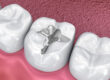
Dental crowns are protective caps placed over decayed or damaged teeth, designed to restore their shape, function, and appearance. They provide essential strength to teeth weakened by decay or following root canal therapy. Made from materials like porcelain, metal, or ceramic, crowns blend seamlessly with natural teeth and offer long-lasting protection.
Why You Might Need Dental Crowns
Dental crowns serve several important purposes. Here’s why you might need one:
- To Protect Weakened Teeth: Crowns shield teeth weakened by large fillings or decay, preventing further damage.
- For Restoration: They restore the shape, size, and function of broken or severely worn-down teeth.
- After Root Canal Therapy: Crowns cover and strengthen teeth that have undergone root canal treatments.
- Cosmetic Enhancements: They improve the appearance of misshapen or discolored teeth, enhancing your smile.
- For Dental Implants: Dental crowns are utilized to cover implants, providing a natural look and functionality.
The Dental Crown Placement Procedure
The dental crown procedure involves several important steps. Here’s what you can expect:
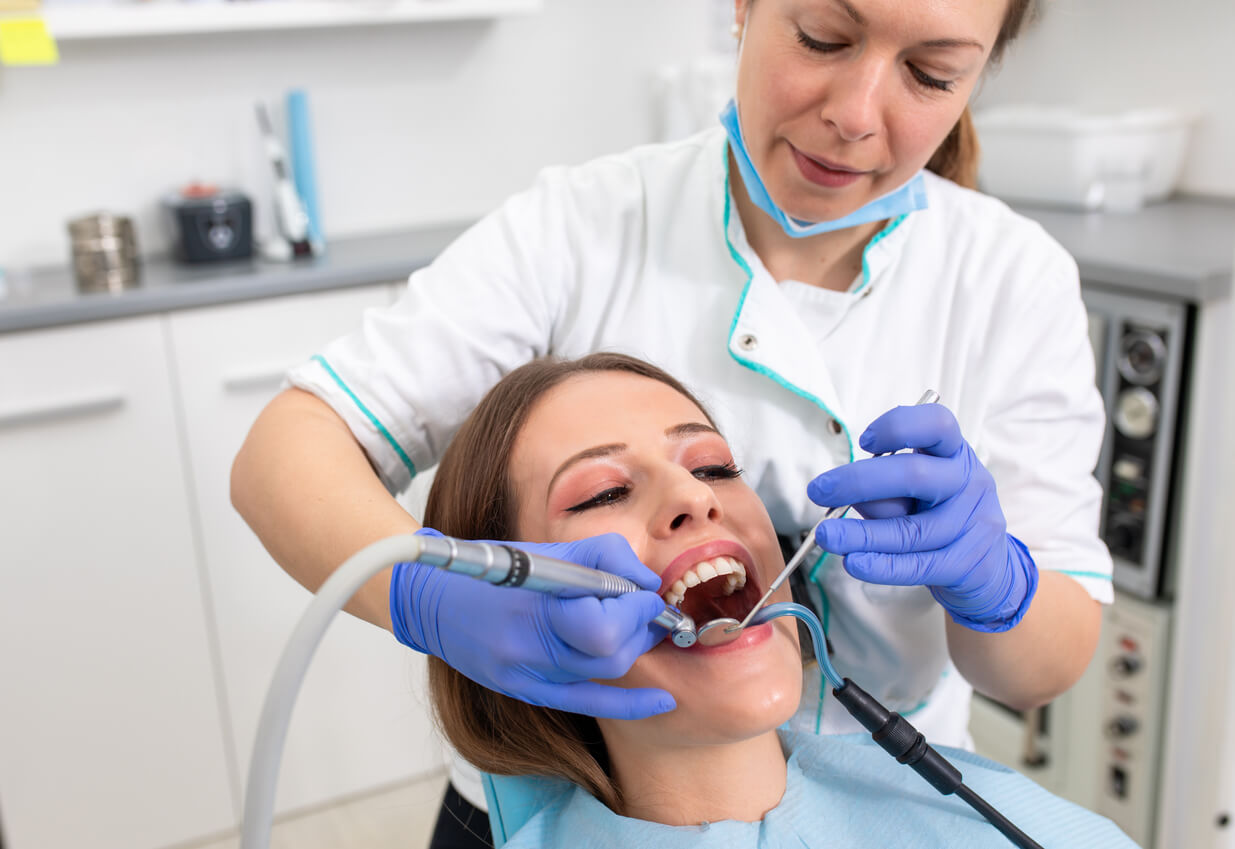
- Tooth Reshaping: The dentist carefully reshapes your natural tooth to enable the crown to fit snugly and securely over it.
- Taking Impressions: Detailed impressions of your tooth and bite are taken to ensure the crown fits perfectly and feels natural.
- Temporary Crown: You’ll receive a temporary crown to safeguard your tooth while your permanent dental crown is being crafted in a dental lab.
- Crown Placement: Once ready, the dentist places the permanent crown, making precise adjustments for a perfect fit and comfort.
- Initial Adjustment Period: It’s normal to experience some tooth sensitivity as your mouth adjusts to the new crown.
- Follow-Up: A follow-up visit may be required to make any necessary tweaks, ensuring your crown feels just right and avoiding sensitivity.
After a Crown: Why Is the Tooth Sensitive to Cold?
It’s not uncommon for a tooth to become sensitive to cold following a crown procedure. This sensitivity often arises because the tooth’s nerves may still be adjusting to the changes, especially if the crown was placed after significant decay or a root canal. Understanding the underlying causes can help address this sensitivity effectively.
Causes of Sensitivity After Crowns
Cold sensitivity after getting a crown can arise from several factors. Let’s explore the reasons:
Exposed Dentin
When gum recession occurs around the crowned tooth, dentin may become exposed, resulting in heightened sensitivity to hot and cold temperatures. Even mild mechanical pressure can quickly trigger discomfort and sensitivity.
Gum Line Irritation
The crown can sometimes exert pressure on the gum line, causing tenderness and irritation in the surrounding tissue. Persistent irritation can lead to increased sensitivity, making everyday eating uncomfortable and challenging.
Nerve Inflammation
Dental procedures can occasionally cause temporary inflammation of the tooth’s nerve, resulting in heightened sensitivity to various temperatures. Infections within the tooth can further contribute to inflammation and ongoing discomfort.
Ill-Fitting Crown
A crown that doesn’t fit properly can cause misalignment with other teeth, leading to ongoing discomfort and sensitivity. Incorrect dental cement or fitting issues may require adjustments to alleviate pain and improve comfort.
Symptoms of Tooth Sensitivity
Tooth sensitivity after crown placement can manifest in various ways. Here’s what to watch for:
- Sharp Pain: You may experience sudden, sharp dental pain when consuming hot or cold foods or drinks. This pain is a direct response to temperature changes affecting the crowned tooth.
- Dull Ache: A lingering, dull ache might occur, particularly after eating sweet or acidic foods. This discomfort can persist, making it difficult to enjoy certain meals.
- Sensitivity to Hot and Cold: The crowned tooth could become sensitive to temperature variations. After a crown, being sensitive to cold and hot beverages and foods is common.
- Reactions to Sweet and Acidic Foods: Sweet or acidic foods might trigger immediate discomfort. These foods can aggravate sensitivity, causing moments of pain when you least expect them.
Managing Sensitivity After Getting Crowns
To manage sensitivity after a crown, try the following strategies:
Pain Relief
Over-the-counter medications like ibuprofen can help alleviate discomfort from sensitivity. Be sure to follow the recommended dosage to avoid complications. These medications can provide temporary relief, making daily activities more comfortable.
Desensitizing Toothpaste
Use a toothpaste designed to strengthen enamel and reduce sensitivity over time. For best results, apply it regularly, ideally twice a day. This helps block pain signals, allowing you to enjoy meals without discomfort.
Practice Good Dental Hygiene
Gently brushing with a soft brush can protect sensitive gum tissue around the crown. Regular flossing helps remove food particles and reduce irritation. This not only minimizes sensitivity but also promotes overall oral health.
Dietary Adjustments
Choose softer foods that won’t irritate your sensitive teeth and gums. Avoid sticky, extremely hot, or cold foods, which can worsen discomfort. Steering clear of acidic foods also helps prevent increased sensitivity and protects enamel.
Avoid Extreme Temperatures
Be cautious with very hot or cold foods and drinks. Extreme temperatures can trigger sudden pain in sensitive teeth. Allow your food and drinks to reach a moderate temperature before consuming to minimize discomfort.
Regular Dental Check-ups
Schedule regular dental visits to monitor your crown’s condition and catch any potential issues early. Early detection can prevent long-term sensitivity and discomfort, playing a crucial role in maintaining your oral health and comfort.
When to Consult Your Dentist
Knowing when to visit your dentist can make a big difference. Consider these situations:
- Persistent Sensitivity: If sensitivity continues beyond a few days, it might signal an issue. A persistent discomfort isn’t typical and deserves attention. Consulting your dentist early can prevent further complications.
- Poorly Fitting Crown: An ill-fitting crown can cause prolonged discomfort and irritation. Your trusted dentist can adjust or replace the crown for a better fit. Proper fit ensures comfort and reduces sensitivity.
- Unexpected Pain: Sudden or severe pain could indicate underlying dental problems. This pain might be a sign of an infection or nerve issue. Immediate consultation with your dentist is crucial for diagnosis.
Frequently Asked Questions
Here are some common questions about sensitivity after getting a crown:
How Long Does Sensitivity Last After a Crown?
Initial sensitivity is often temporary, typically subsiding within a few days. During this period, it’s normal to experience mild discomfort. If the sensitivity persists beyond a week, consider seeking a dental assessment.
Are There Long-Term Effects?
Long-term issues from crown placement are uncommon, but they can happen. If sensitivity or discomfort continues, it’s important to consult your dentist. They can recognize any underlying problems and recommend appropriate solutions.
Can a Sensitive Crown Be Adjusted?
Yes, if your crown causes sensitivity, adjustments or replacements are possible. Your dentist can address fit issues or replace faulty dental cement. These adjustments help alleviate discomfort and improve your crown’s functionality.
Schedule Your Crown Consultation and Smile With Confidence!
At Elice Dental Care, we understand how sensitivity after a crown can be bothersome. Our experienced team is here to address your concerns and provide the best dental crowns for your needs. We’re here to help you find comfort and achieve a pain-free smile.
Whether you need crown adjustments or a thorough check-up, we’re ready to assist. Don’t let sensitivity hold you back from enjoying life. Contact us today to schedule your consultation.